In today's article I'm going to talk about the socket accessories, which for amateurs is a almost is a non-existent category, and they would be surprised if would know just how wide the range of accessories available for fittings really is. As in all sports, foosball uses a lot of aids to achieve better results. Adhesion aids, training equipment, sportswear, concentration aids, and I could go on. In this post, we'll go through them in a non-exhaustive way, as every year I see something new that I didn't know about before. Let's dive in and dive into a sea of trickier and trickier stuff.
One of the largest sets of adhesive accessories: adhesion promoters
Probably the only foosball accessories I've seen in pub settings are the adhesion promoters. These are needed essentially because or the foosball table handle is lousy - Garlando and Rosengart, for example, leave something to be desired - or the players' hands sweat. And for those who don't, their palms are too dry to grip, say, a wooden handle, so they will almost certainly use some kind of grip aid sooner or later.
Adhesive tapes, also known as grips
A grip in English means grasp, while in verb form it means to grasp. Not only is the grip tape in foosball called a grip, but in most racquet sports such as the squash or the tennis, which also use such supplements. So if there's one iconic foosball accessory, it's the grip, and a serious rider will use dozens of them in a season.
There are several types of grips, there is the base and the overgrip, the first is the thicker base, the second the thinner cover grip. This is worth knowing because anyone who is not a foosball player - such as Leonhart or MasterWrap brand of grips, there is a good chance that you will prefer a tennis grip. There are two other features of a grip that are worth knowing: it can dry and sticky/tacky, both of these last two words are used by manufacturers. The former is spongy and absorbs sweat, the latter is sticky and adheres to the skin. Because everyone's skin is a little differently acidic, we don't usually use the same grips.
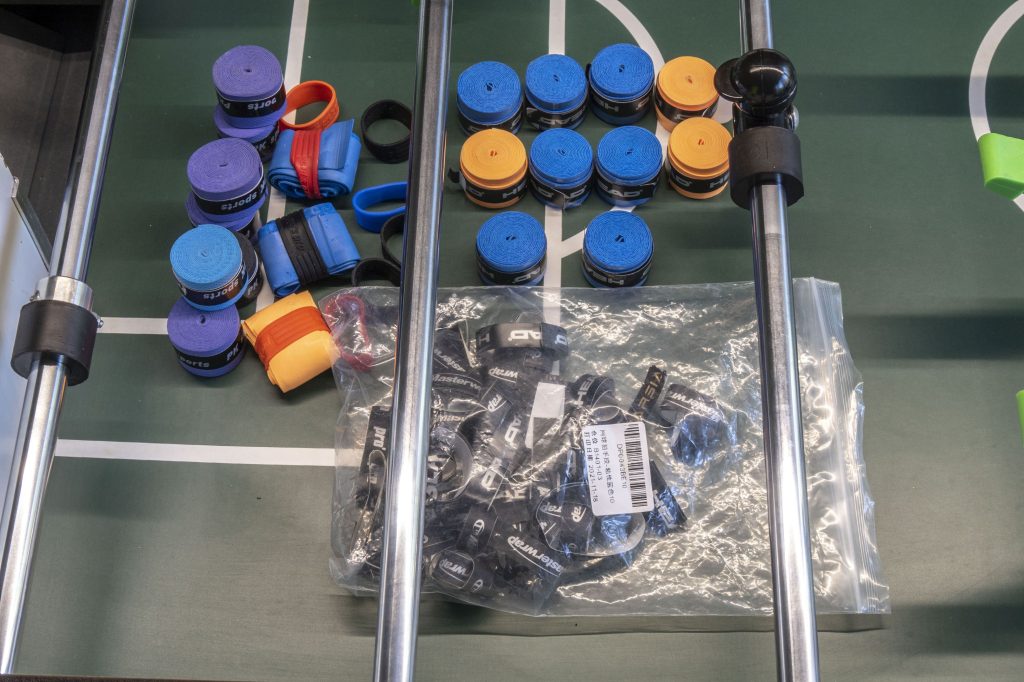
The best known type is the MasterWrap, which is used by the 90% of the riders. It is available in a wide range of colours, but the most typical is neon yellow and the Green, the reason is that Frederic Collignon, the world's best foosball player, wrapped the handles in these colours, and because of him, many people use these two colours. I think it's an urban legend that these are better than the others - at least I haven't discovered any difference - but faith can do a lot, even increase your effectiveness. A MasterWrap it is typical that specifically designed for a durable grip, and it's designed specifically for foosball, so if you can only choose one grip, this is the one. MultiTable foosball club by the way, you can also get this. But many people use Head and Wilson grips, which are also worth a try. A secret tip for sweaty palms is Tourna MegaTac, the world's most sticky grip.
Traction aids, soothers, the big soother and gloves
Not everyone plays with the flu, some do traction tyres pulls on the handle. The reason is that they provide a more even surface, and typically they are not gripped with the bare hand like a grip, but in gloves. That is, someone who plays with gloves on puts some kind of rubber on the handle, which can be billiard cue anti-slip rubber, all kinds of cumik, or the so-called "big sucker". This special gum is so called because it is used for feeding young calves and is available from pharmacies or veterinary shops. And you can typically get the different soothers at a foosball competition, from the man selling foosball accessories at the entry desk.
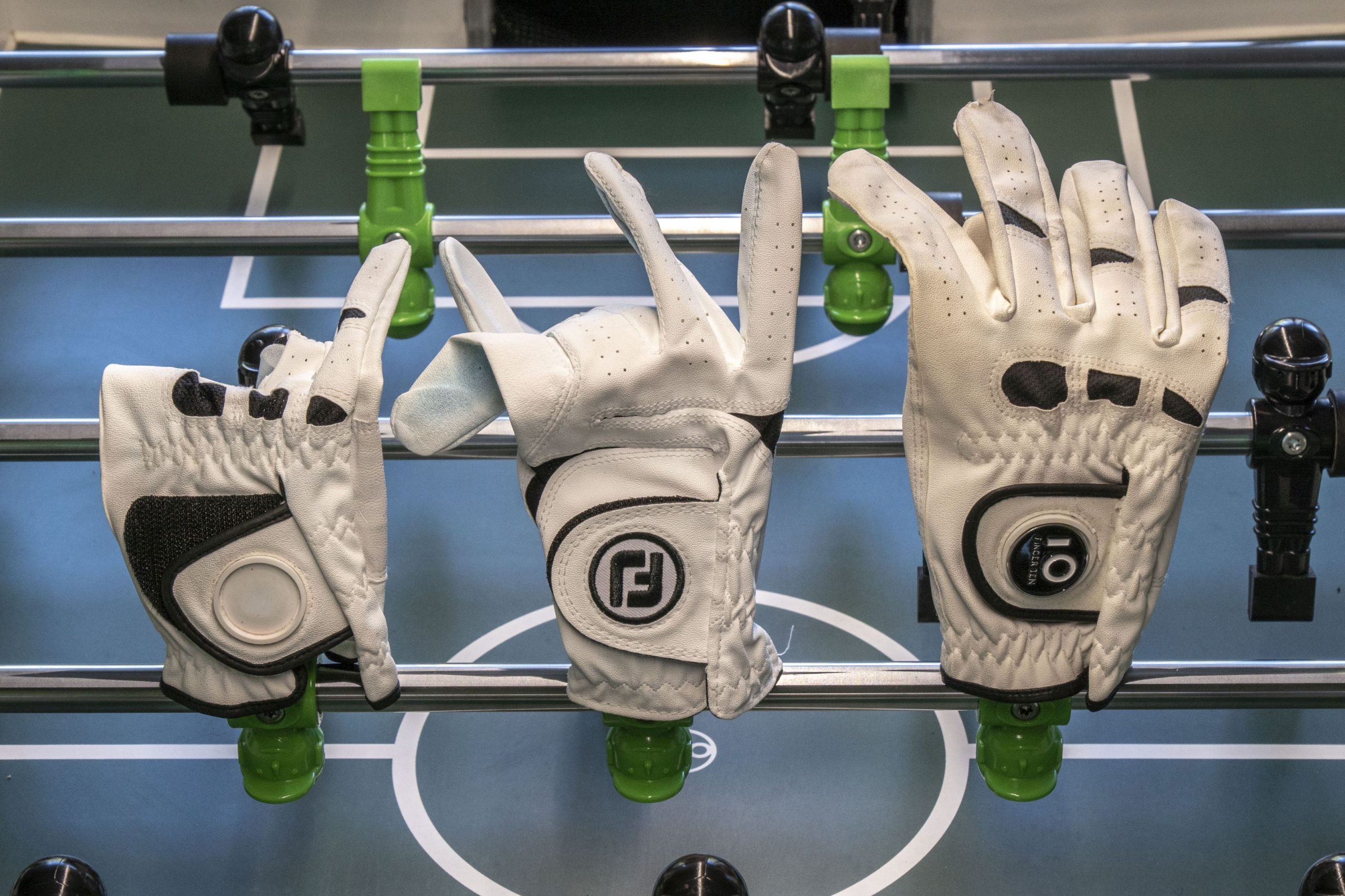
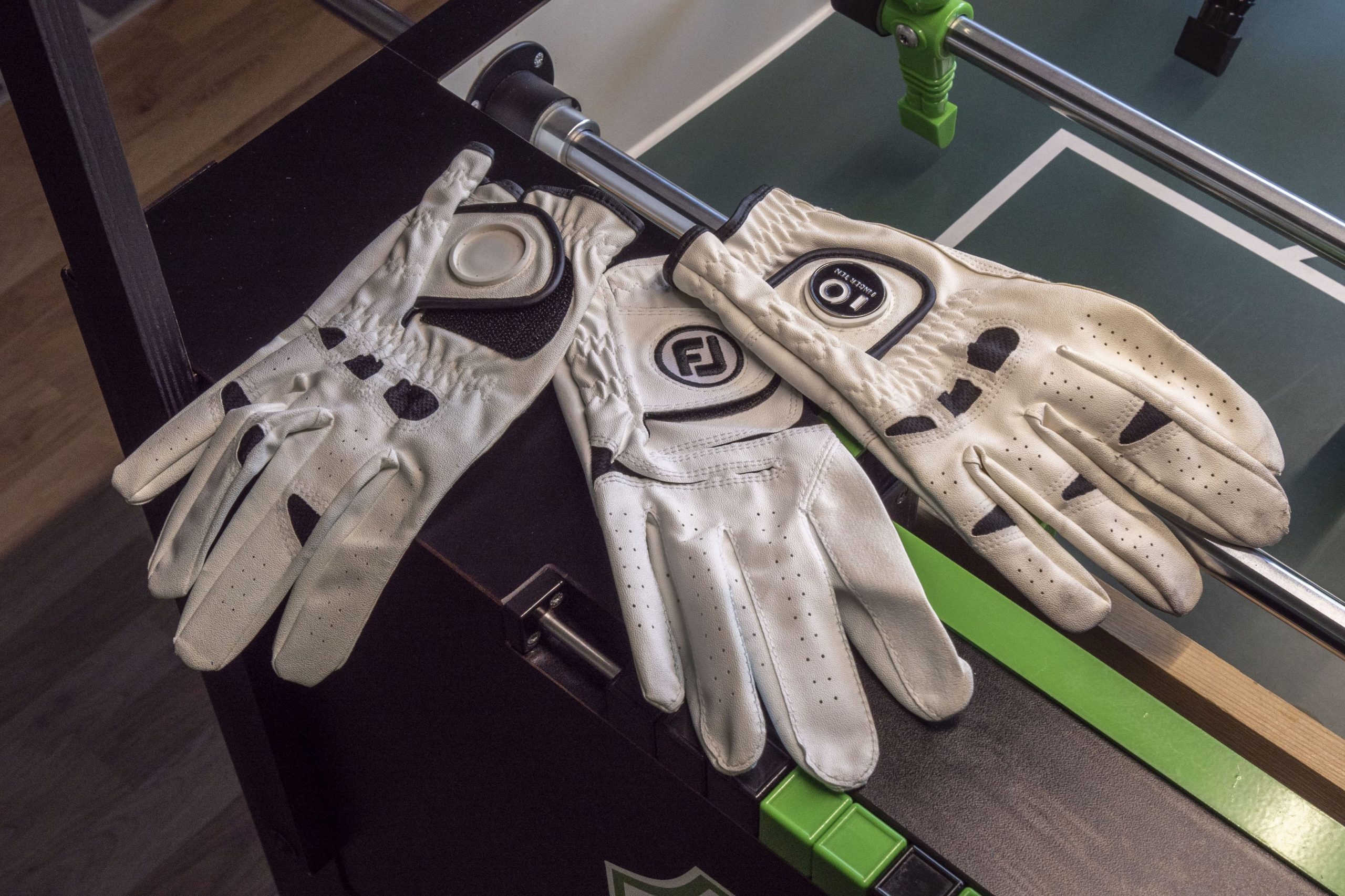
A gloves are also specific. Most people use golf gloves, Footjoy, Fingers or similar brands - the latter has a detachable coin for the coin toss to get you started - and special gloves with a clasp. These are mostly available in P4P tournaments and are called "for buttons", due to the fact that you can connect the edges with a bead-like button. A common feature of flip-flop gloves is that they do not have a "stem" at the wrist, as you would not be able to shoot snake in them, so they typically lack one.
For gloves you should wrist dryer profile especially if they are made of leather, otherwise they will shrink when they dry out. Some people dry them out to dry the sweat out of them, this was already common in the 90s, from Dieter Thiele I have seen this.
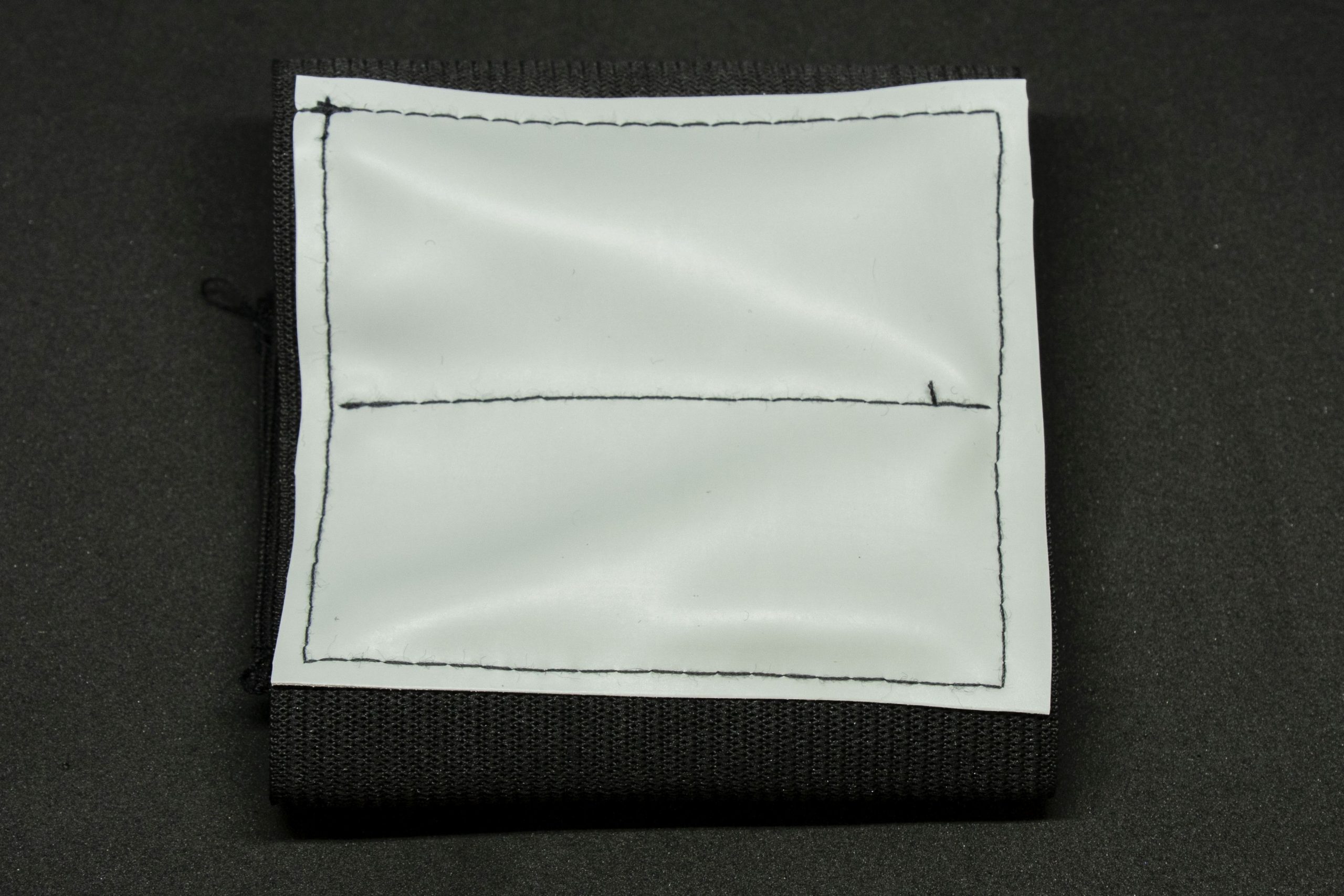
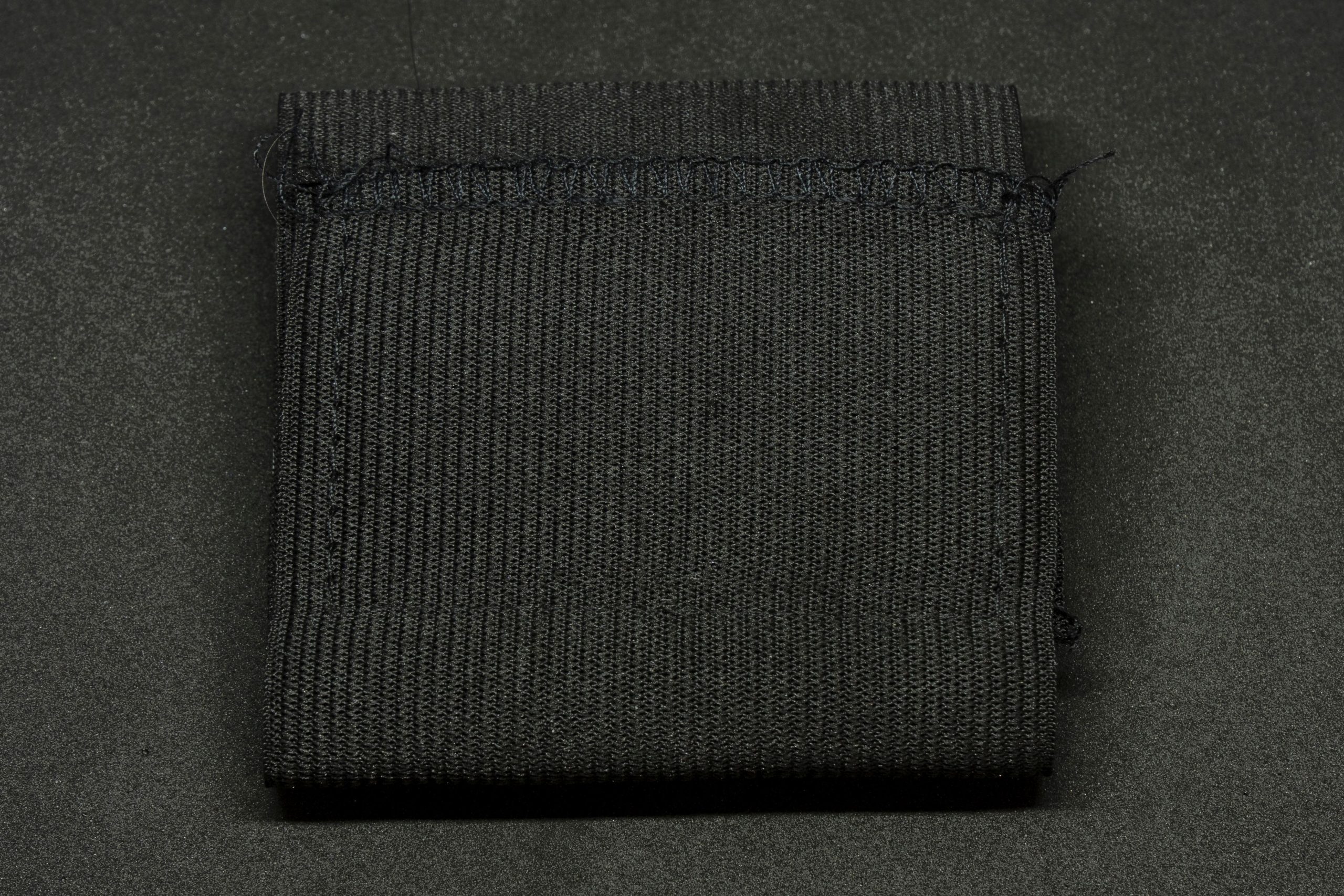
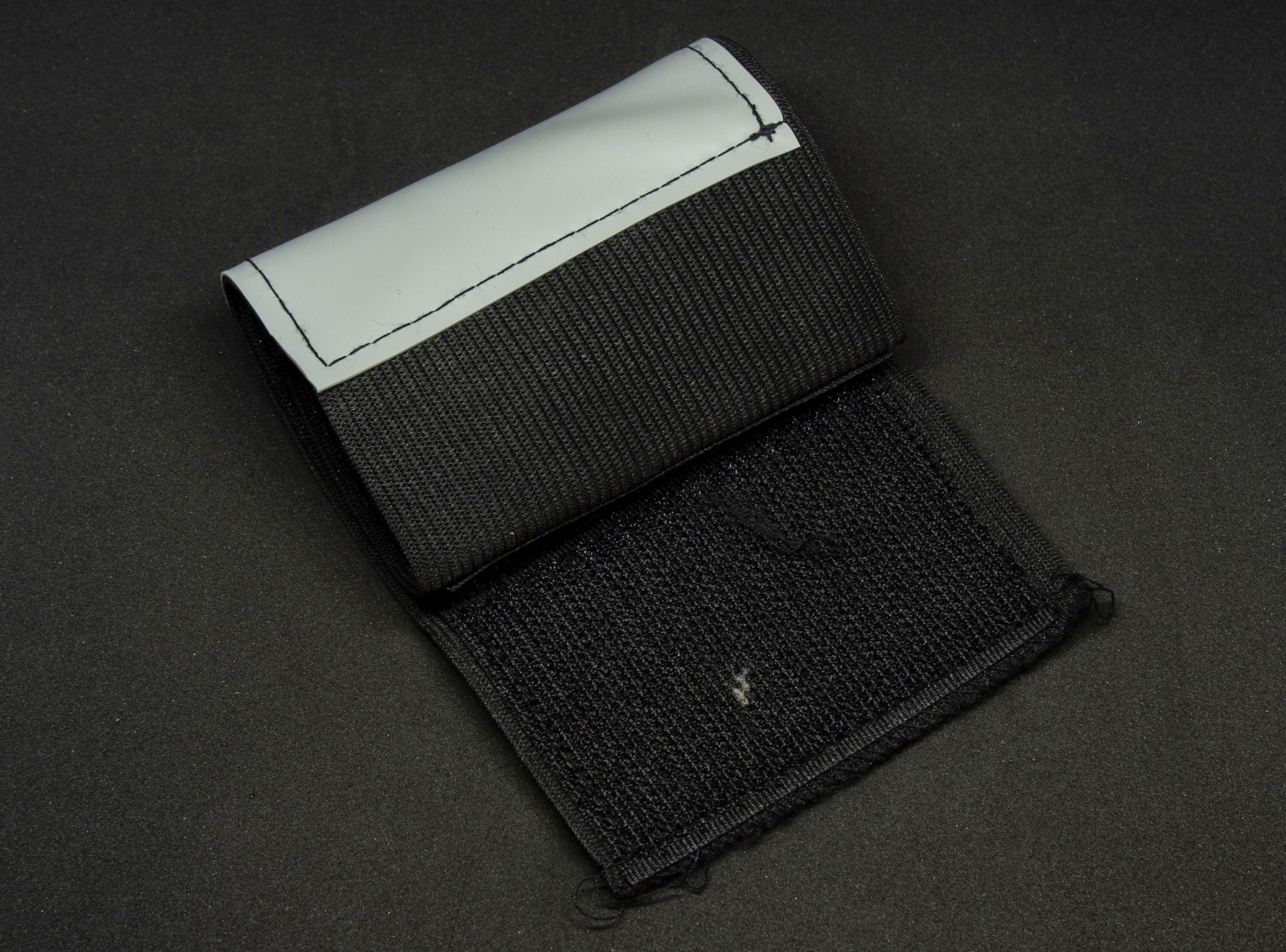
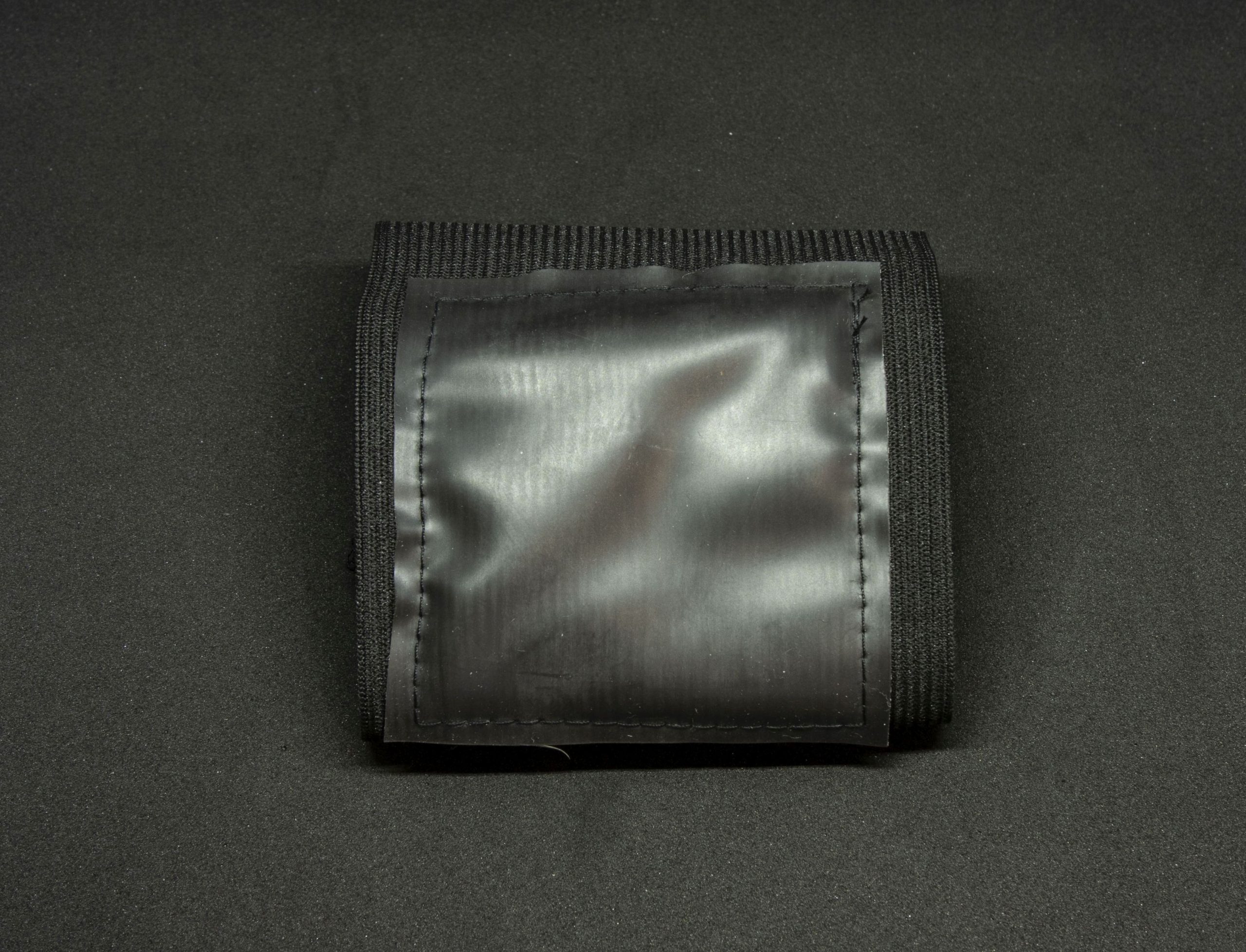
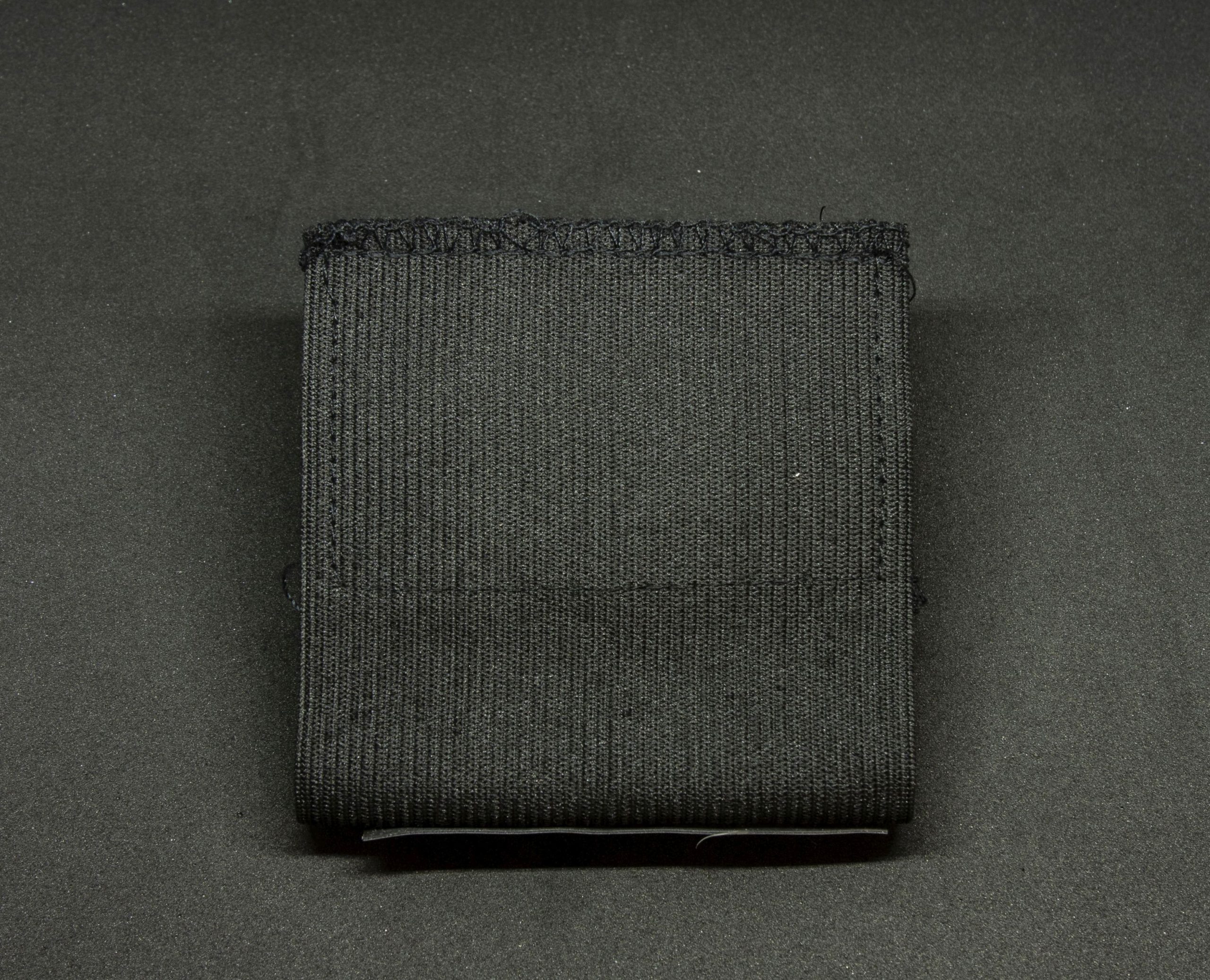
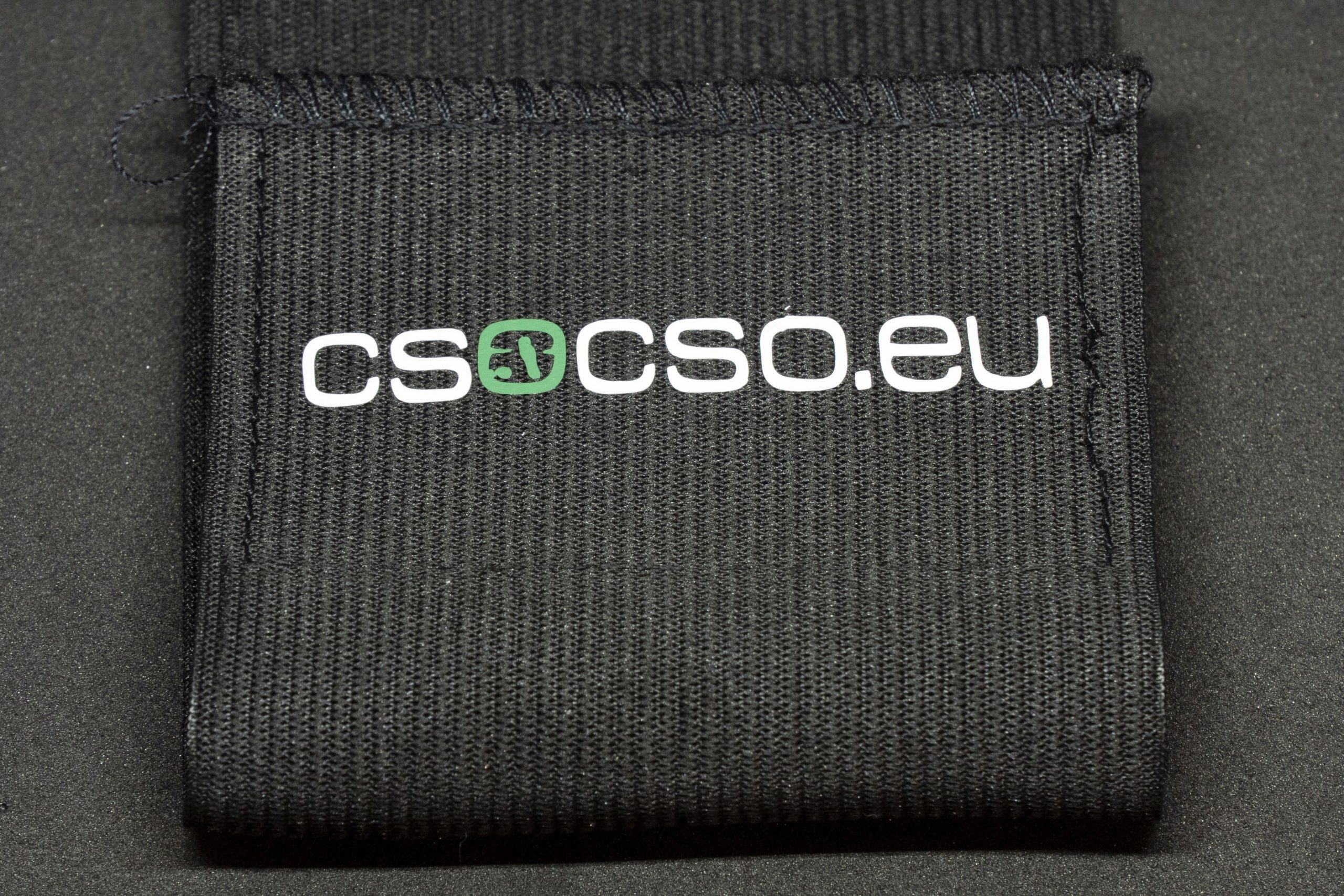
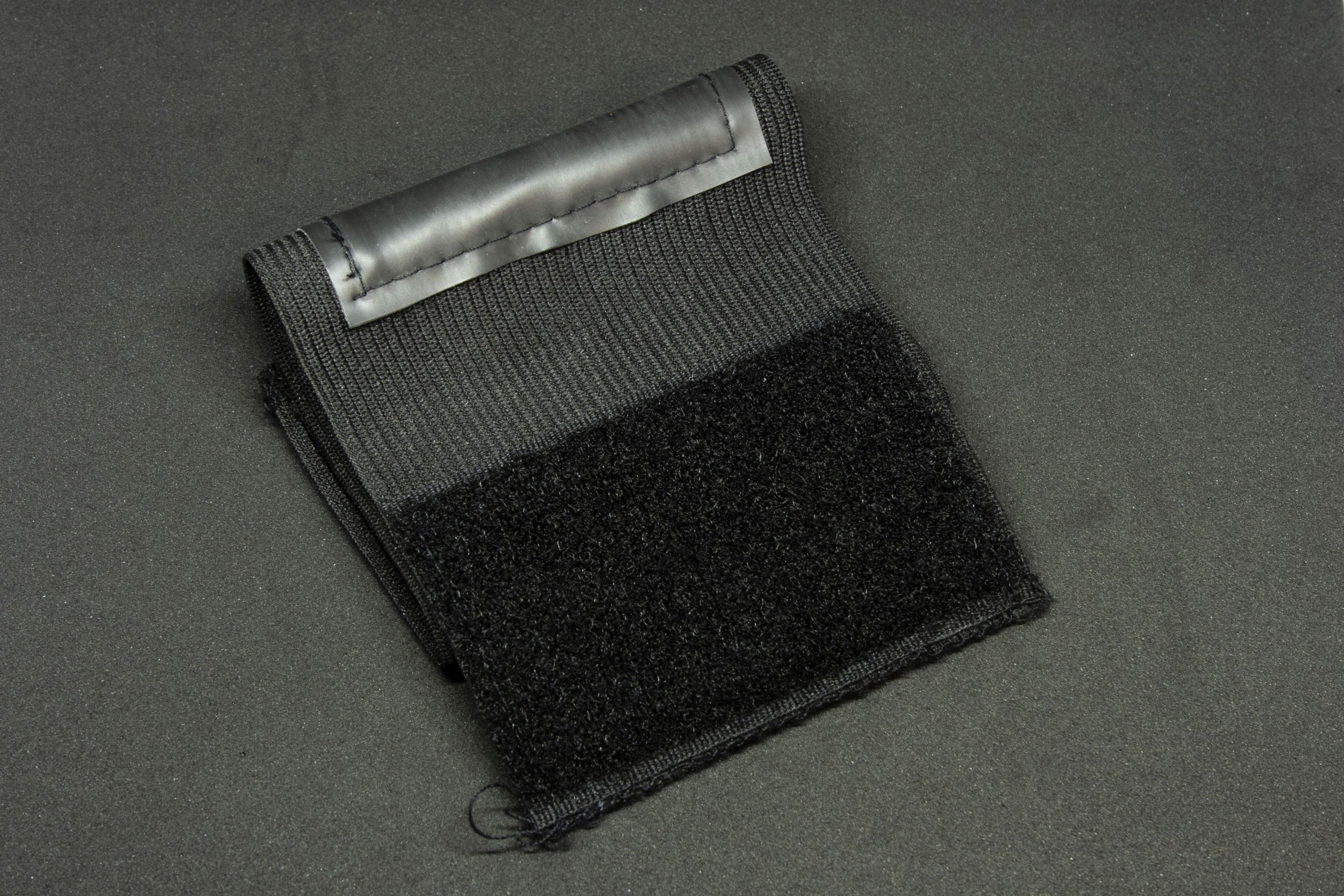
A foosband a special elastic band that can be attached to the wrist with Velcro. One half is elastic rubber and the other half is a material similar to a grip, and is used to make the snakeshot.
Lubricants
As much as we like it when our hands stick, we hate it when the bars get stuck, so here we have to do the opposite: we have to lubricate. The type of table is a matter of choice, with the most common being the Johnson&Johnson brown Pronto, which is furniture polish, which is a dust repellent. It is used on Ullrich-Sport P4P and Leonhart tournaments, while bearing tables are typically WD40-are blown with. The latter is a temporary solution, in fact you need to spray liquid grease into the bearing, such as Würth, but obviously you can't do that in a race.

Some tables - such as Rosengart and Tornado - technician, spindle or gun oil are usually treated as the same thing in practice. This has a huge disadvantage: it will bunch up the clothes, so be careful. If the table is dirty, it is worth spraying it twice, and after the first one, the rod should be wiped down, because it is worth removing any dirt that may have leached out of the bearing or the sliding bushing, and then re-treating with a slip aid.
Magnesia (aka: "magnesium")
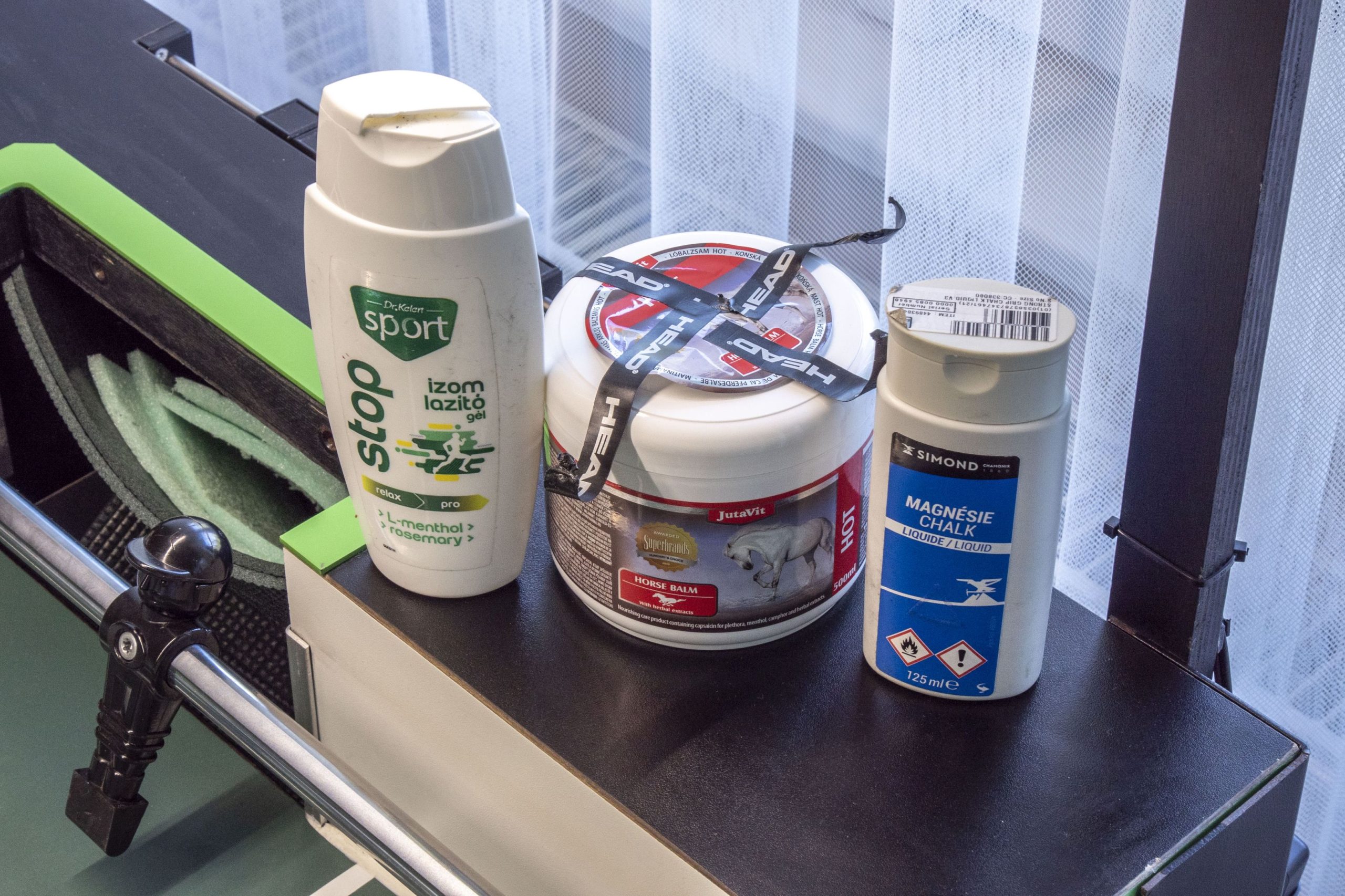
It is not only wall climbers who use magnesia, but also foosball players. The reason is that it inhibits sweat formation and helps grip. There are two types, liquid chalk and powder. There is only one problem with the latter: the rule is that you cannot change the surface of the ball or the playing surface, but if you put magnesia on it, it helps the ball to stick and therefore changes the playing conditions. This is somewhat contradicted by practice, for example, at the Garlando World Championships, magnesia is applied to the surface of the tables because the ball is so slippery that it simply does not stick, so don't be surprised if you see this. This was also the practice on the Maracana tables about 20 years ago when we played with the white bone ball.
Accessories for training with foosball: rodlock, ball wall, shooting wall, rod weight
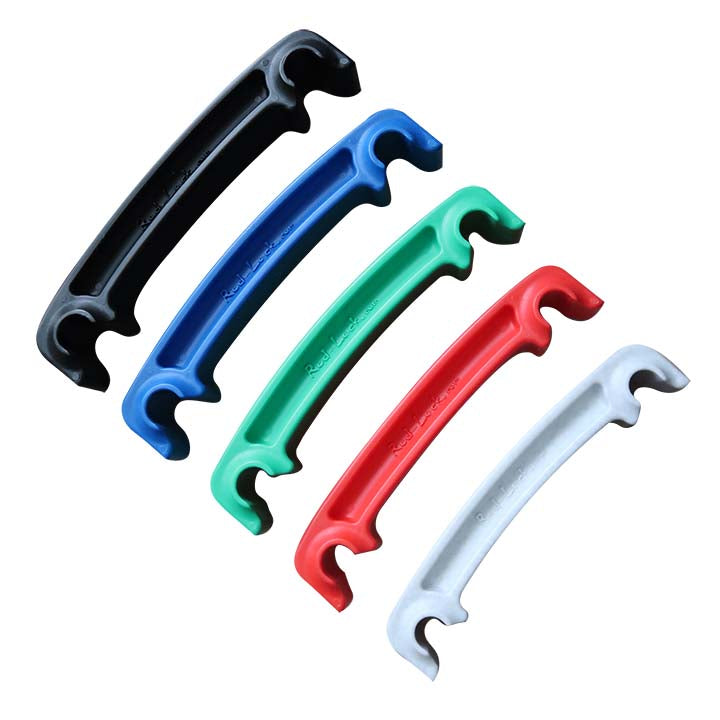
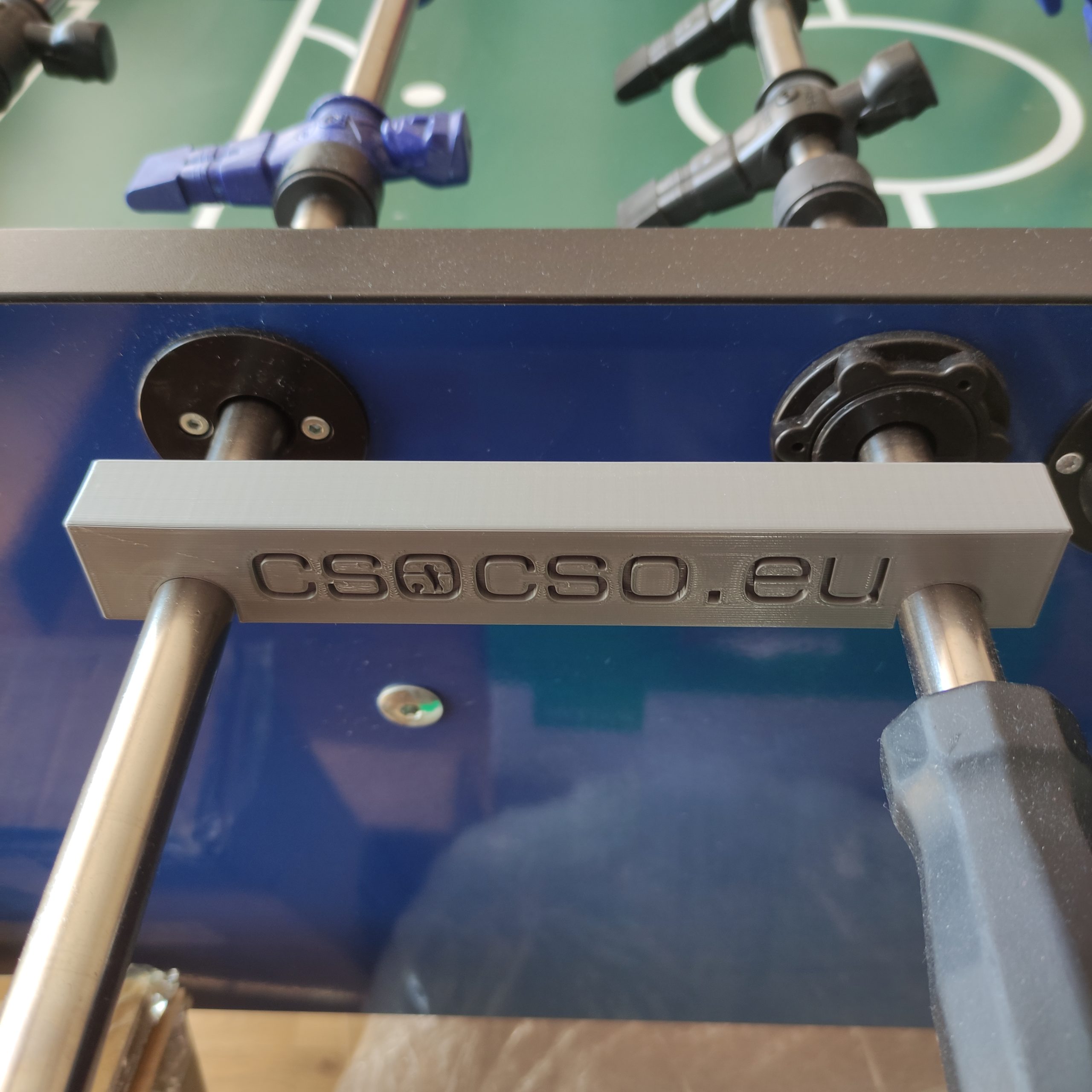
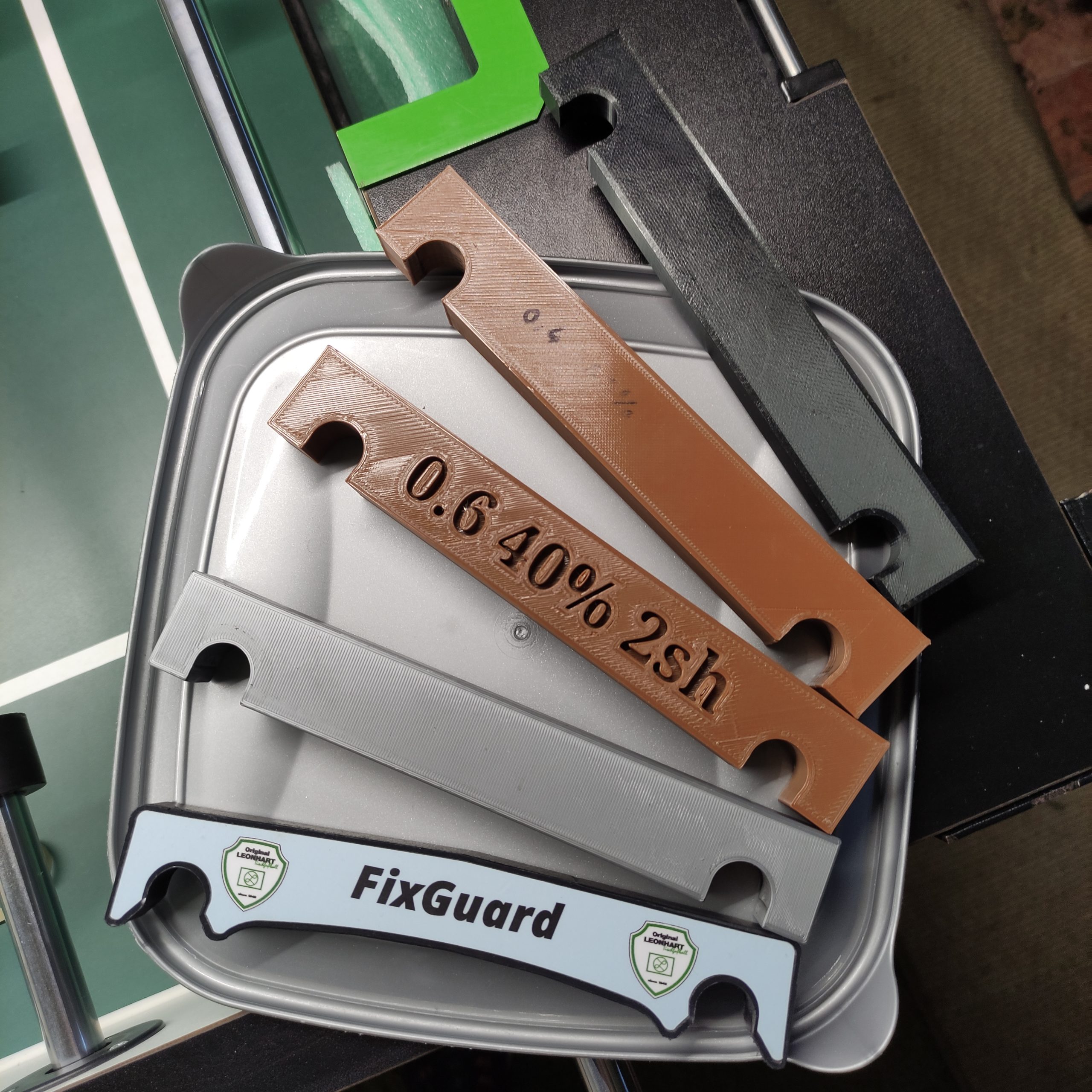
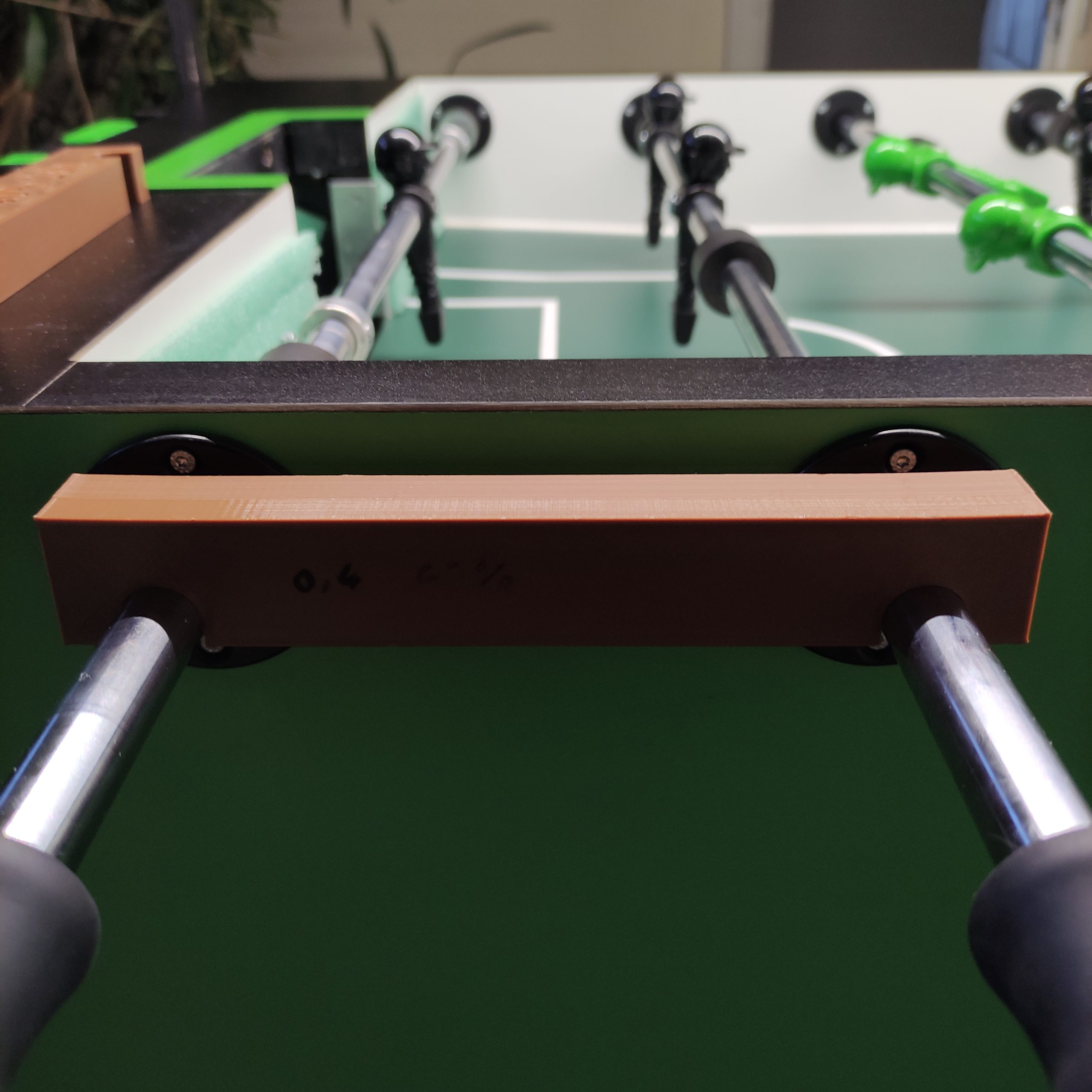
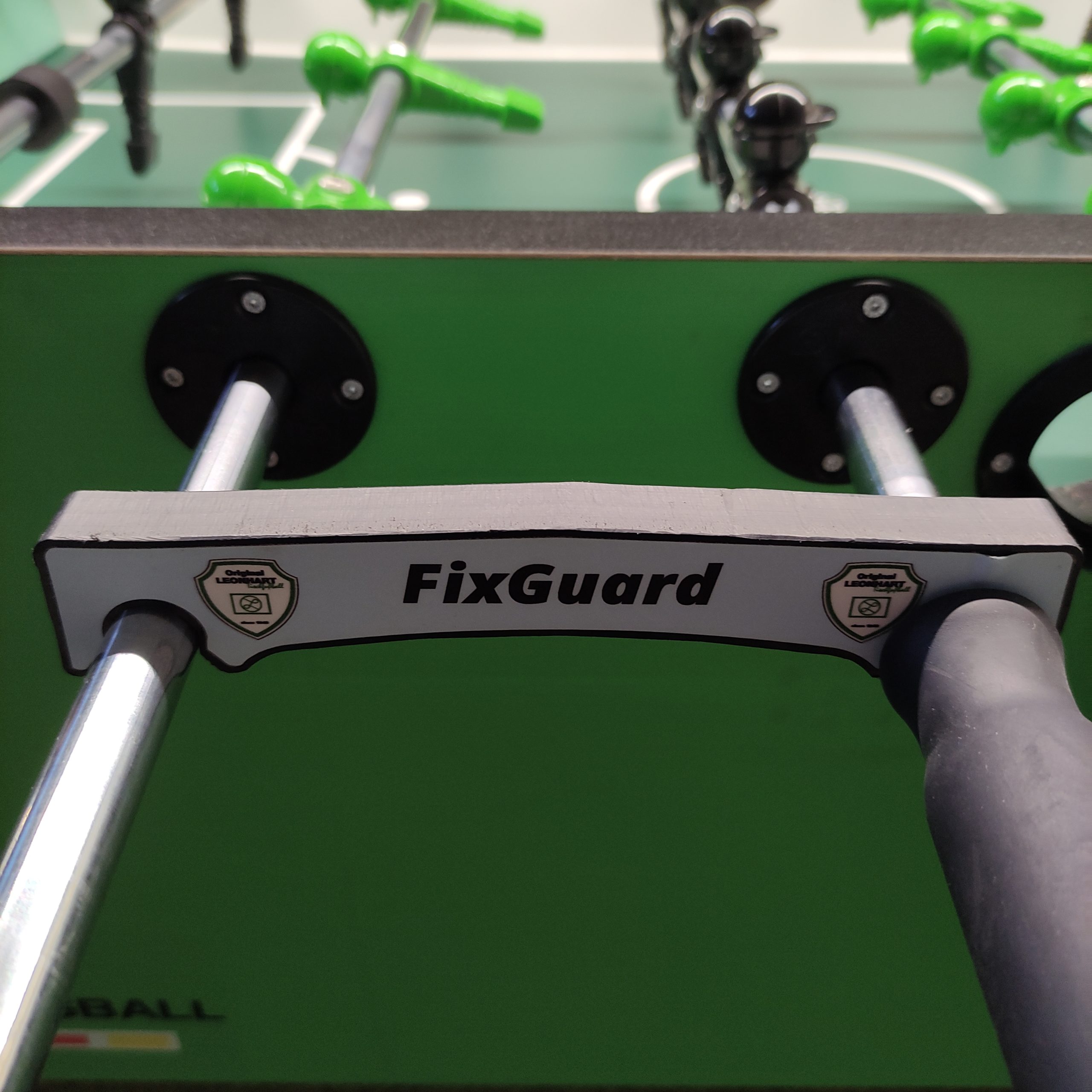
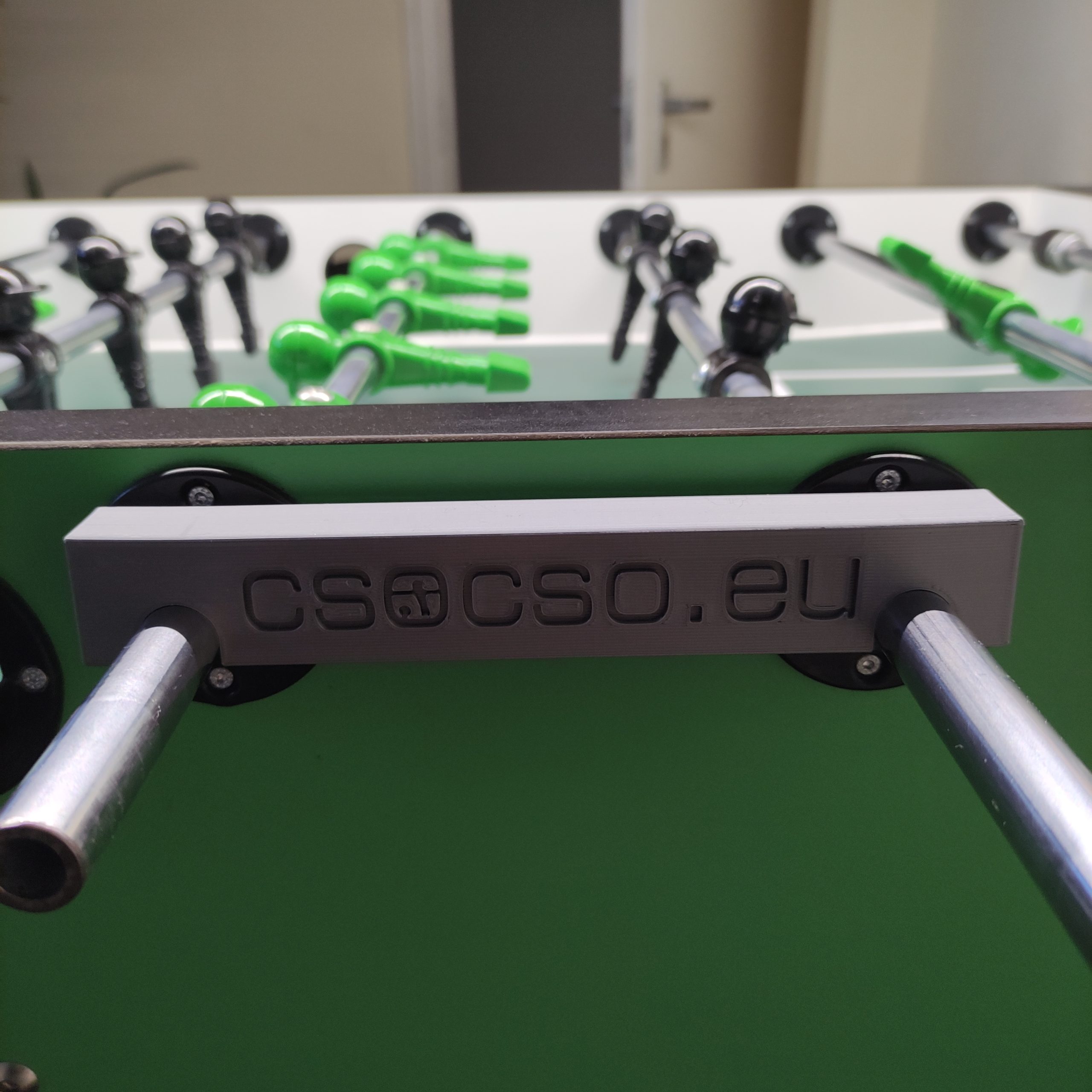
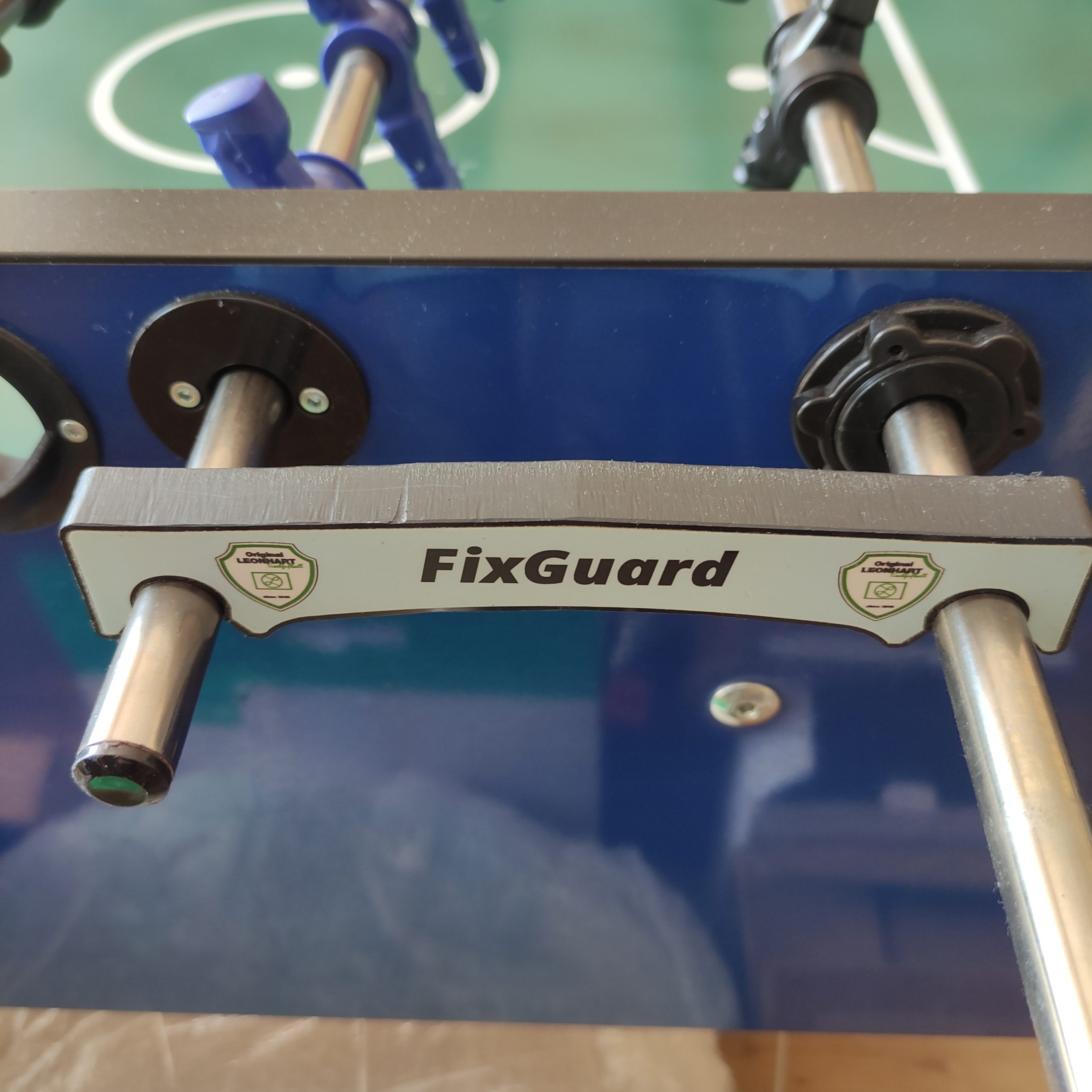
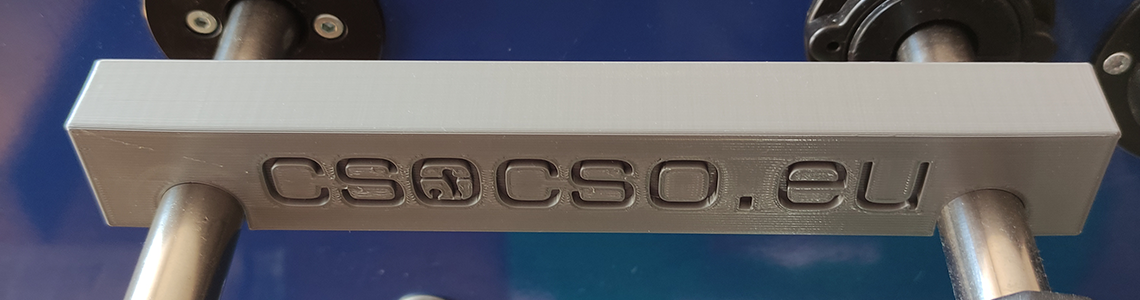
The above terms are relatively less well known and typically refer to objects used by competitors. A rodlock is nothing more than a plastic profile closing the frame, which fixes the position of the dummies. It's actually the name of the brand, but everyone knows it by that name, but the one for Leonhart, for example, is called Fixguard. This is important because when you practice passing or shooting in a lineup, the balls can't push the dummies out of position.
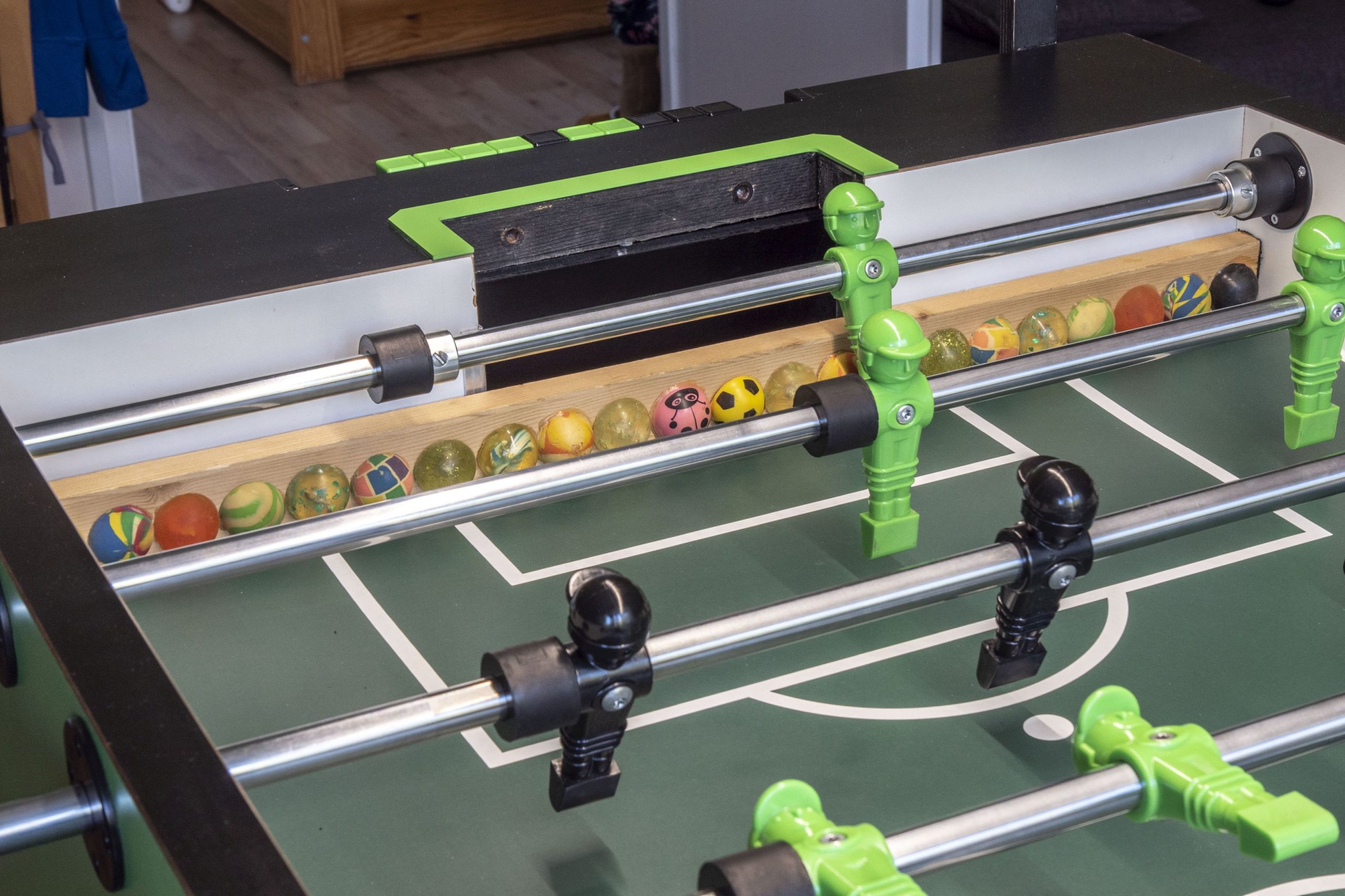
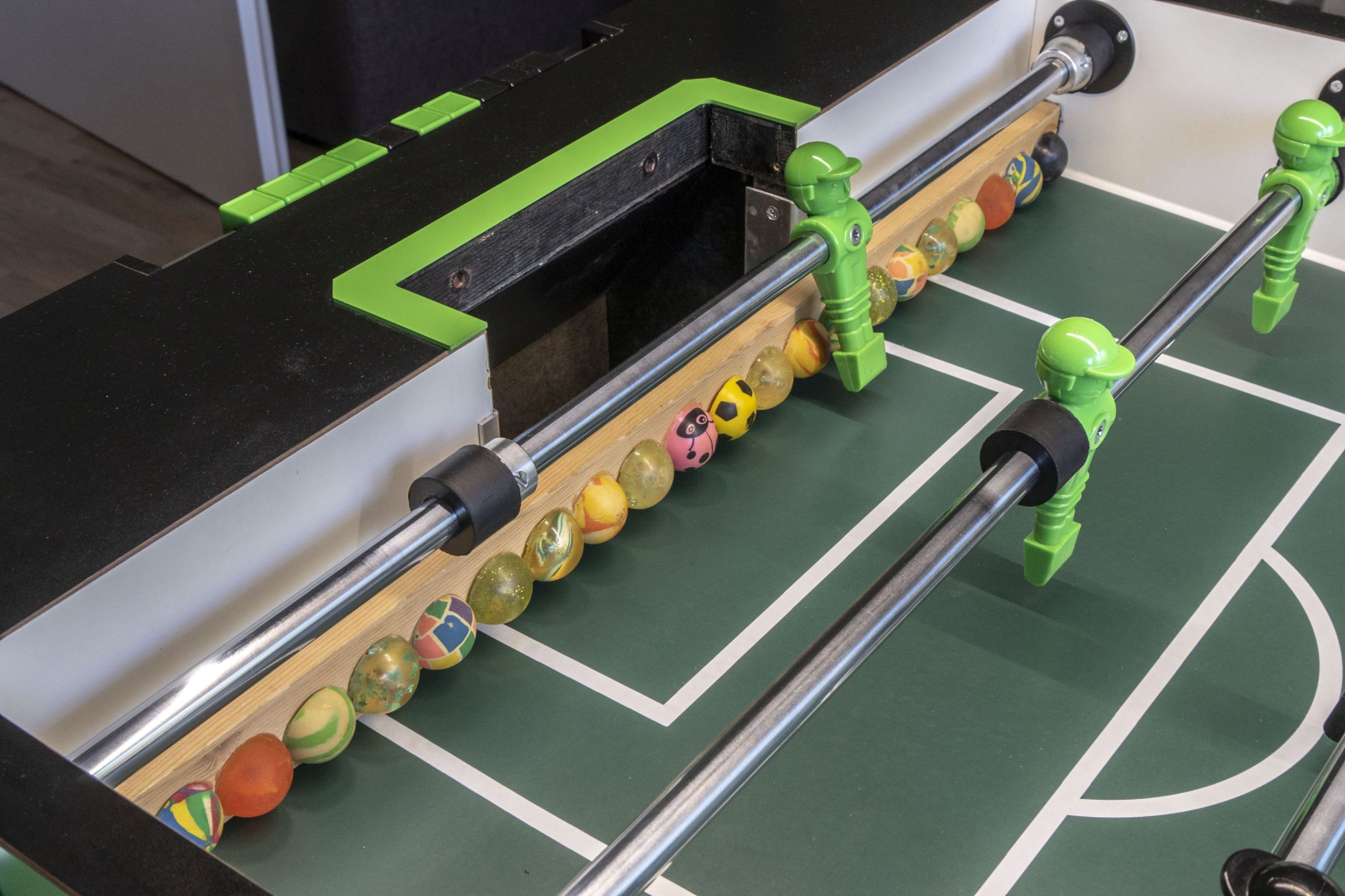
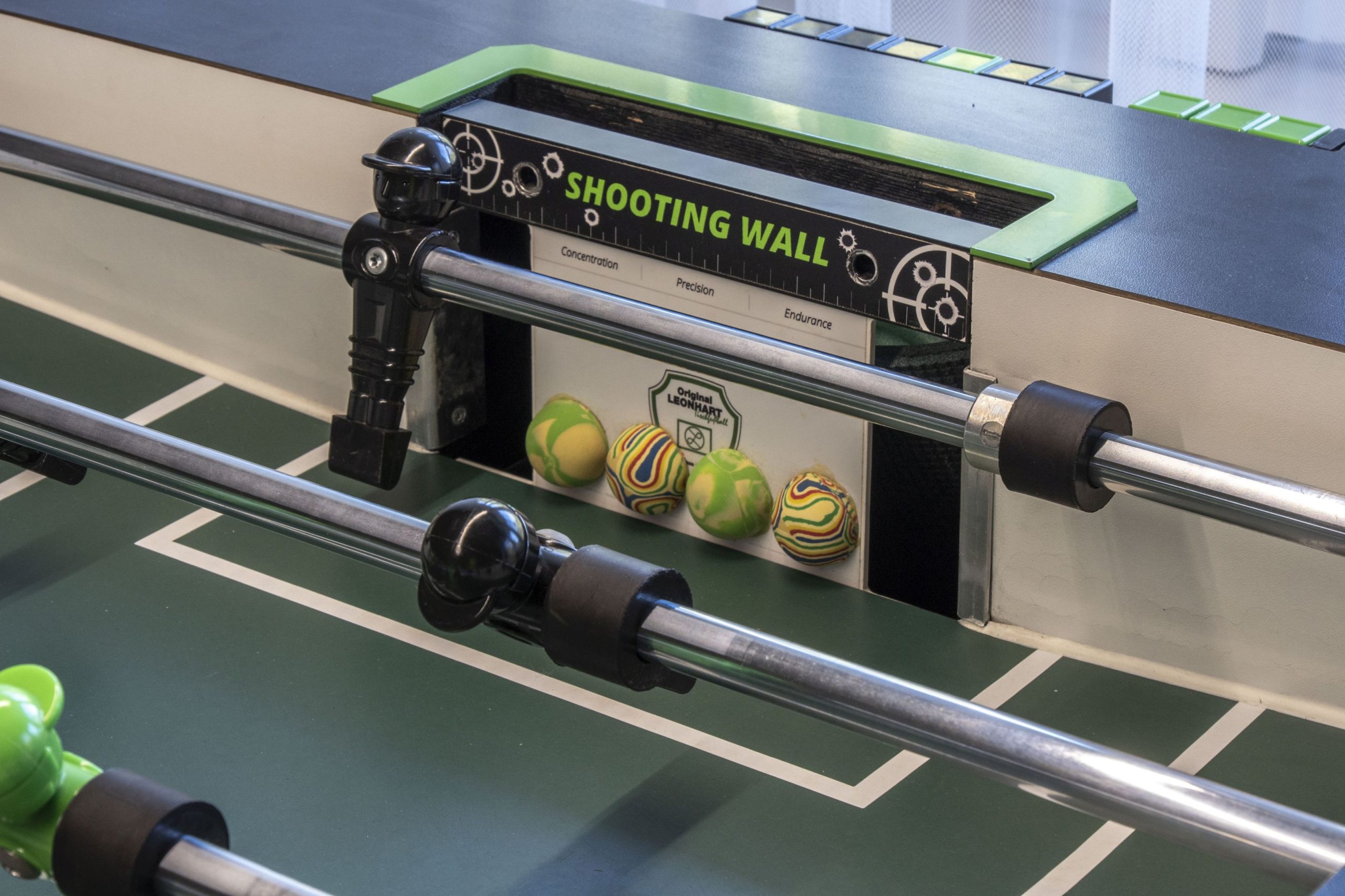
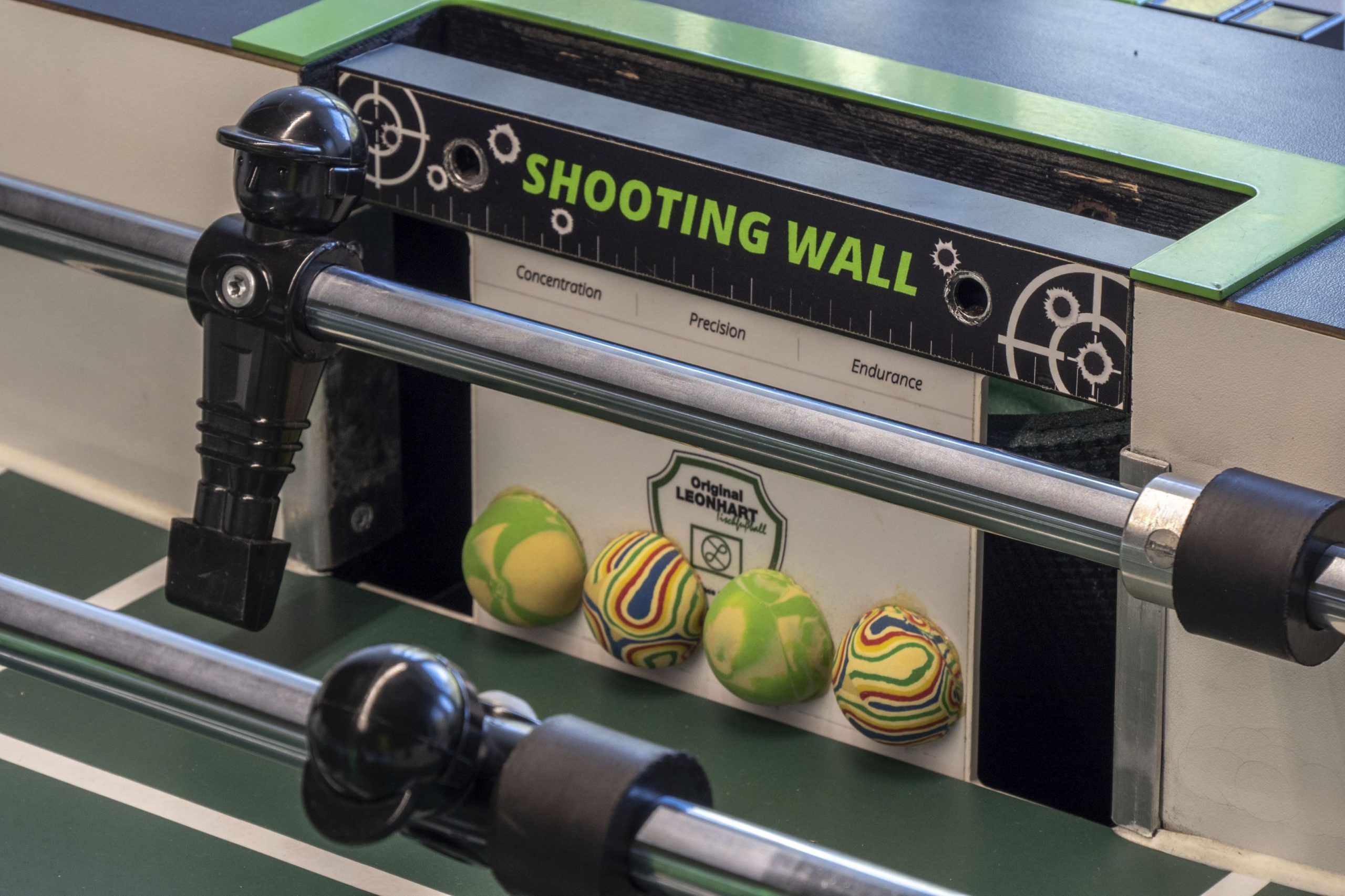
From I've only seen DIY solutions, so it's relatively difficult to classify it as a staple accessory from this point of view. This device is none other than a mass of solid rubber balls glued to a wooden slat, cut in half in the middle. In essence, because the hardness of the rubber balls is different, the bouncing balls bounce back irregularly. The supplement is usually put in front of the goal, then forcefully shot at and the players try to catch the bouncing ball. This develops "catch", or the ability to pick up balls that come in at random.
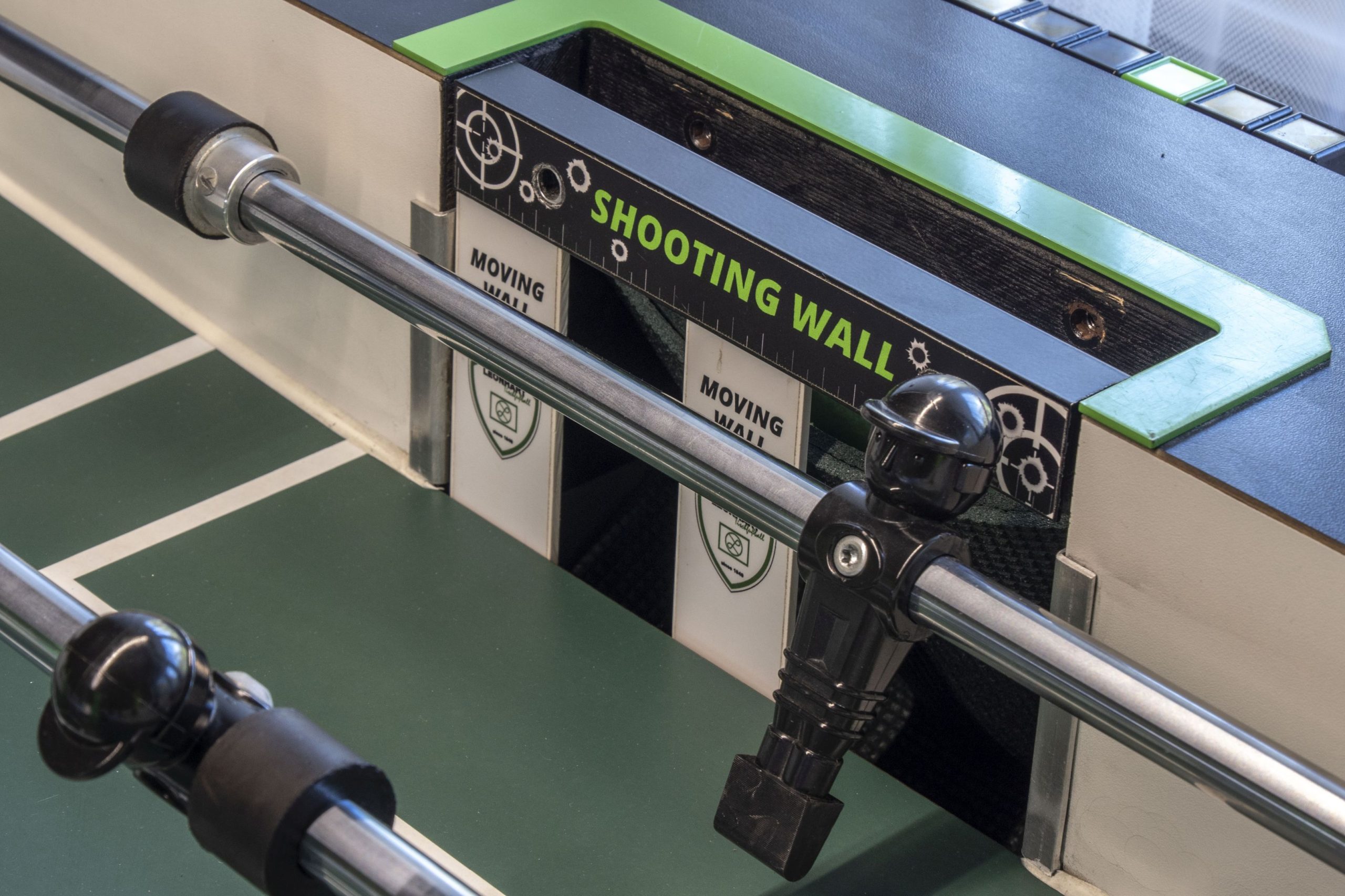
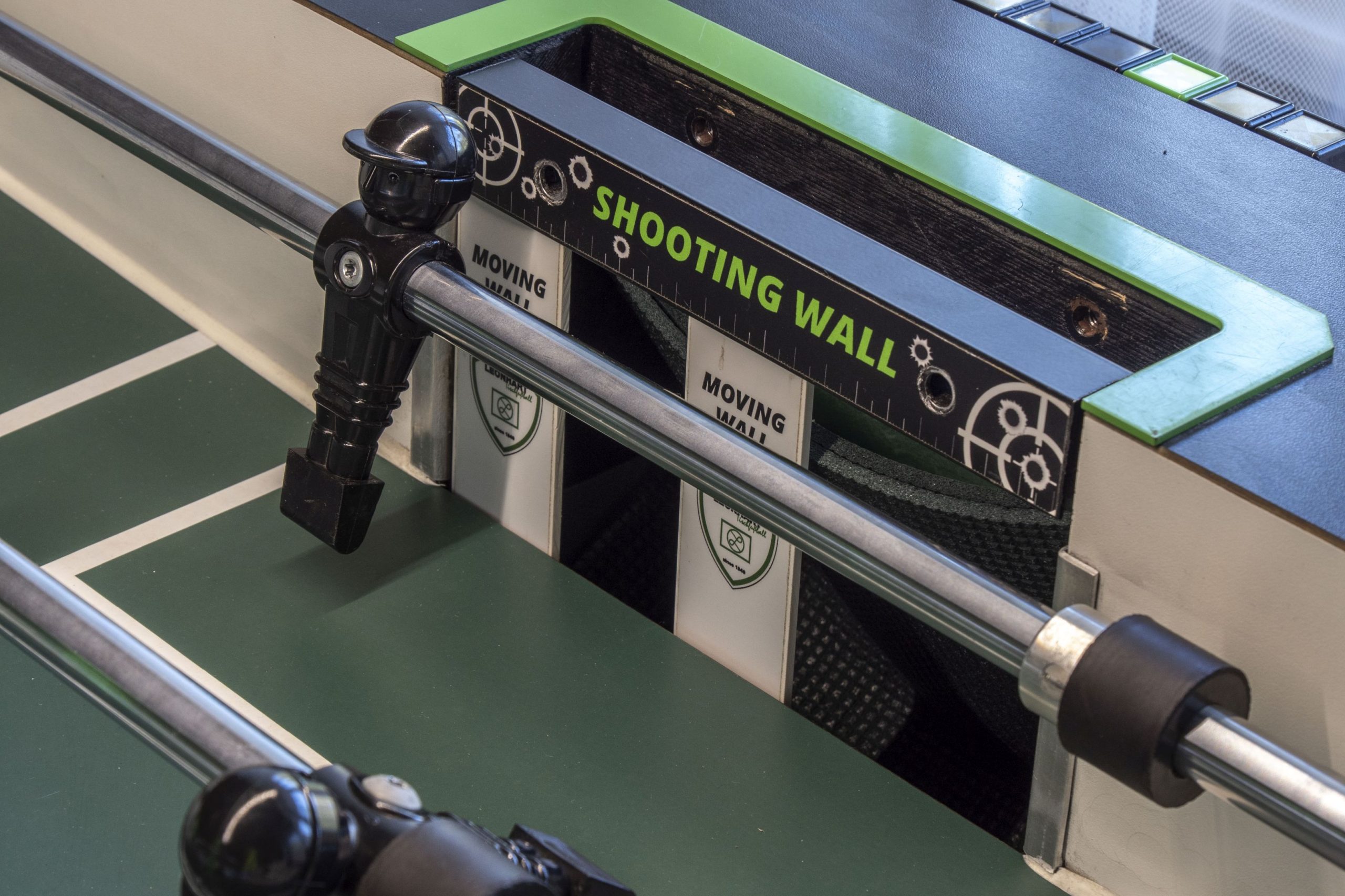
A shooting wall is the name of the game: a profile that some parts can be covered and others left free. It is used to shoot the holes left free, i.e. it improves shooting skills and is also suitable for practicing the shooting of certain positions.
A rod weight is none other than the extra iron bar to be inserted in the frame, which puts more strain on the hand, in exchange for improved speed and shooting power. Garlandón we used to fill it with sand up the rods that replaced the above solution. What I do not recommend is the wrist weights available in fitness stores. It slides on your hand and crushes it, increasing the risk of injury. I've tried it, it's no good, increase the weight of the bar instead.
Sportswear
There is one basic thing you need to know about sportswear: official ITSF tournament is NOT allowed to play in jeans. This means wearing sportswear - sweatshirts, shorts, T-shirts, sweaters, etc. Typically this is done with a team jersey and sweatshirt, and many use a baseball cap to narrow the field of vision and eliminate distractions. The more serious players typically have name-branded jerseys, which indicate affiliation at club and country level. Affiliation was (also) marked with so-called patches in the early 2000s, pictured below is the now defunct Budapest Foosball Sports Association hand embroidered, about 20 years old sew-on you can see it under the wrist cuffs.
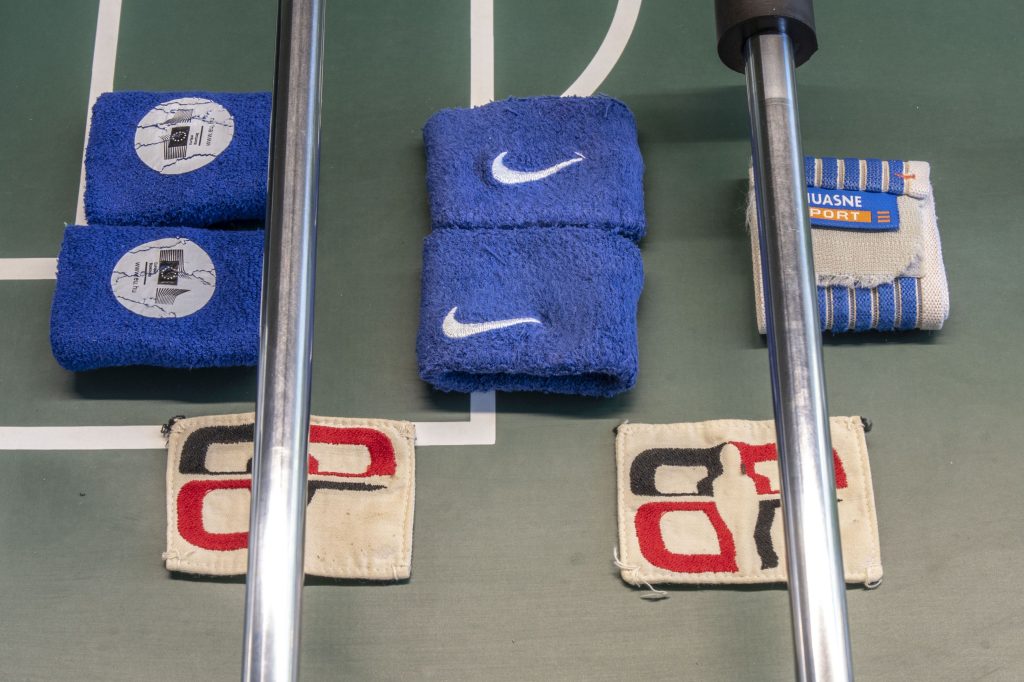
In fact, you can even play as a sleeveless athlete, best exemplified by the star of the 90s, the moustachioed Dieter Thiele - the first European player to be successful in America - who looked like a real "porn king" with his moustache in his sleeveless clothes.
Many people use wrist clamp, especially those who sweat and want to wipe their face with it. They can also use the towel they wear on their belt, and there's a second small towel in a bag - quite typical in P4P tournaments - to wipe tables and clean up crumbling ball residue.
Other accessories: everything can be used for something
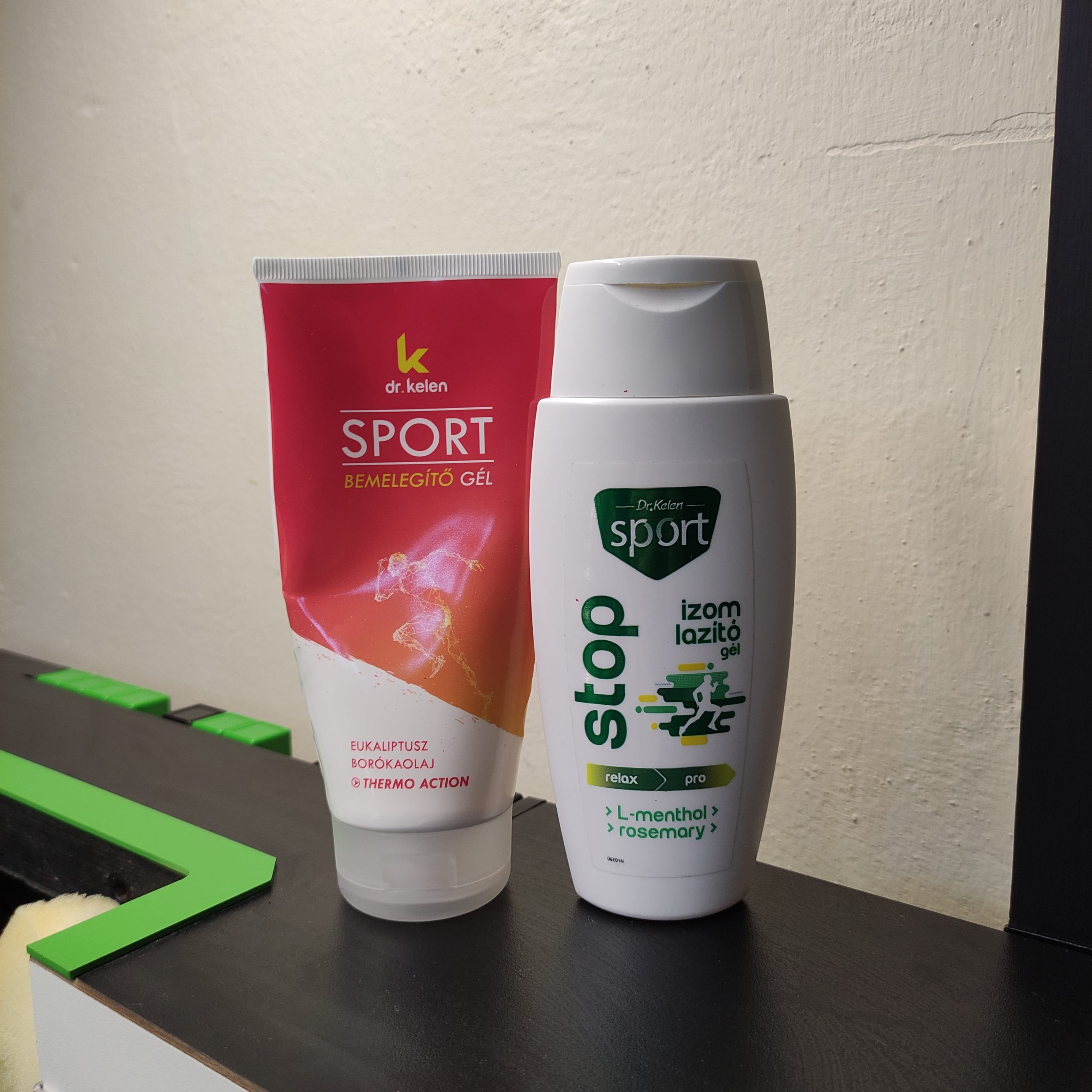
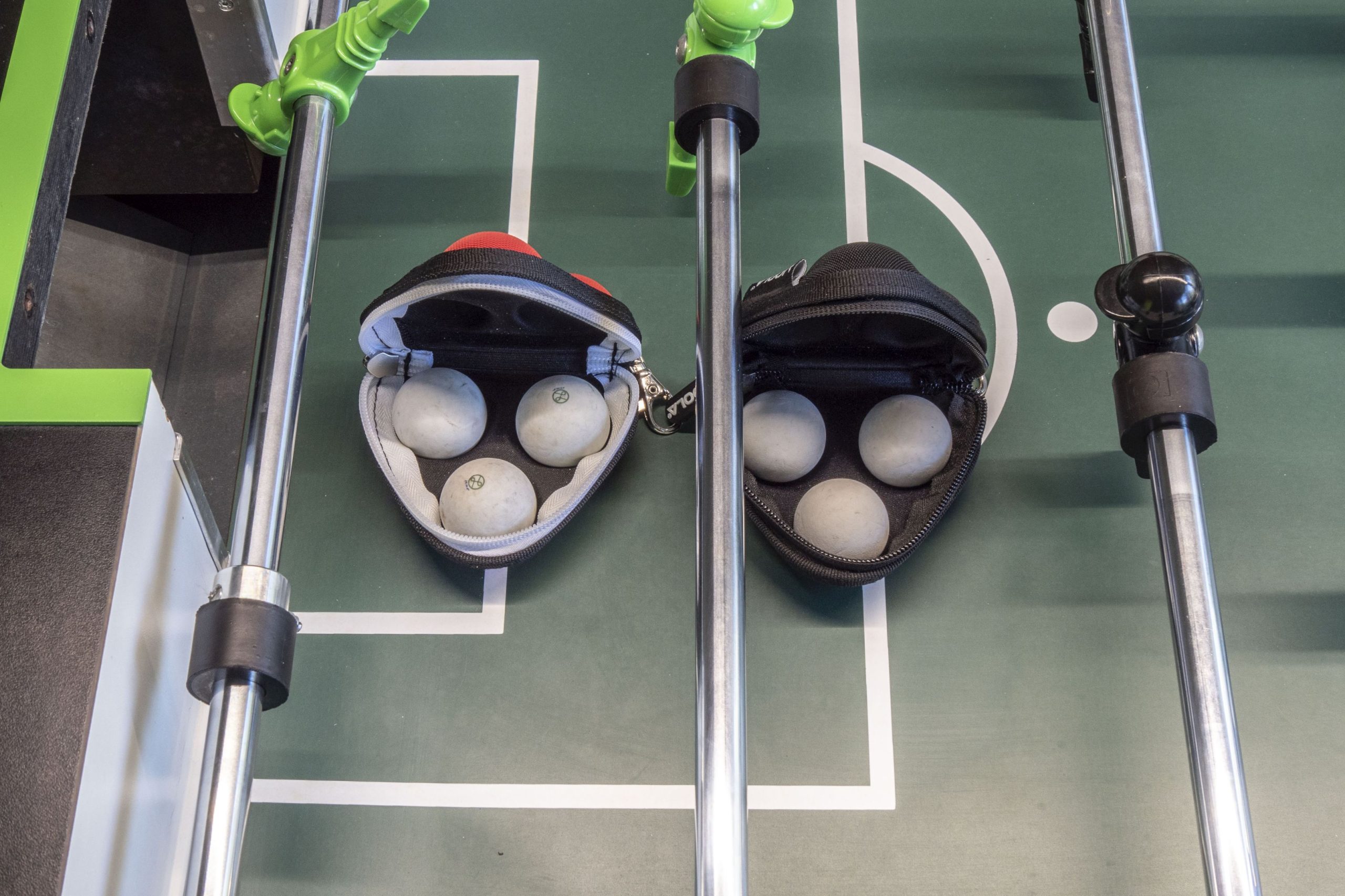
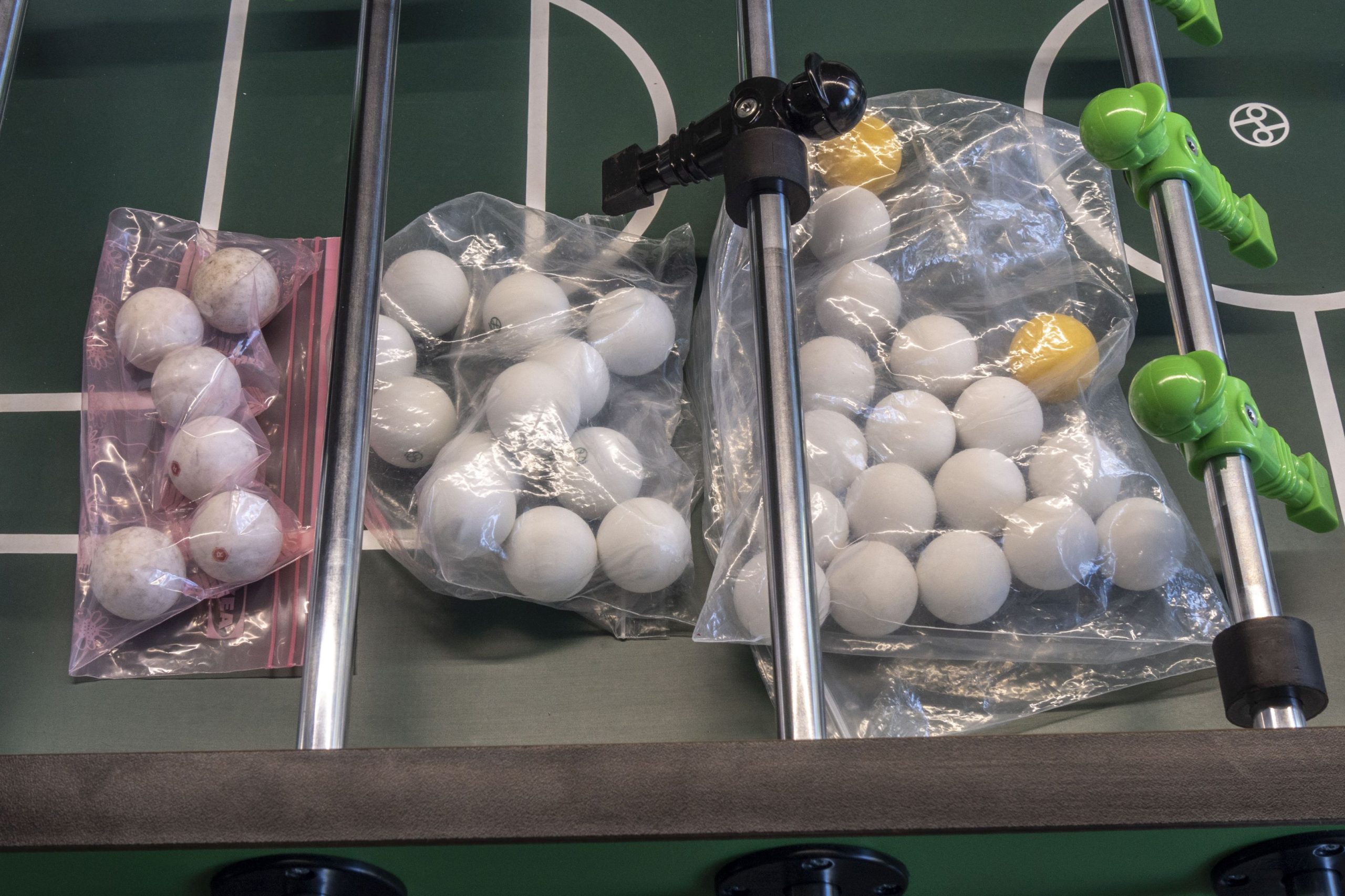
Table tennis ball racks are commonly used to store sock balls, but you can also use, for example, warming and muscle-relaxing creams to treat tired muscles. Then there's gum, which helps concentration, caffeinated drinks like coffee or cola - Dieter Thiele reportedly drank 8 litres of cola a day during a race - which can also sharpen the mind or even overwhelm the riders. One could also talk about 'off the track' aids, as physical training, eating and relaxation aids could also be included in the range of foosball supplements, but that's a topic for another article.