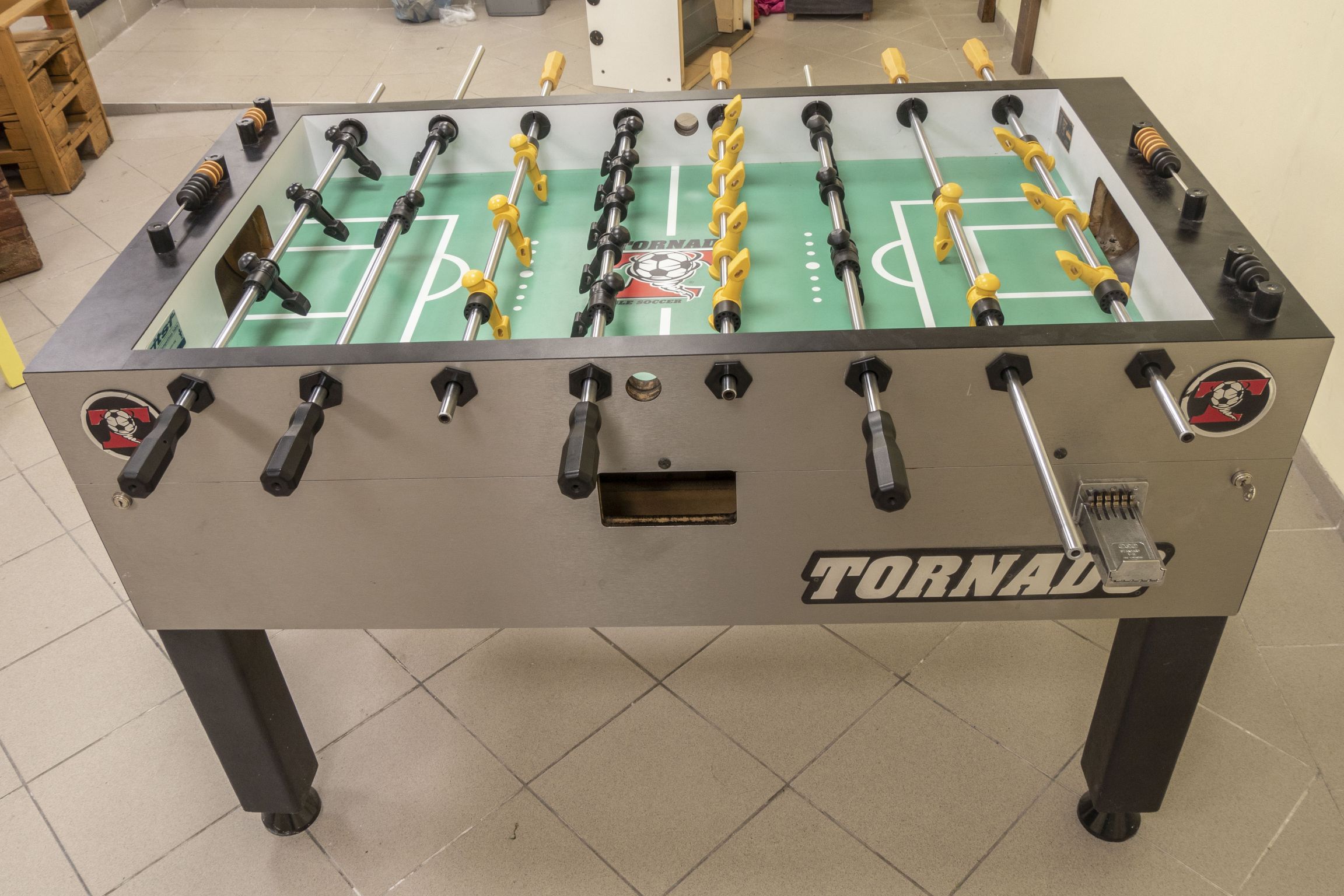
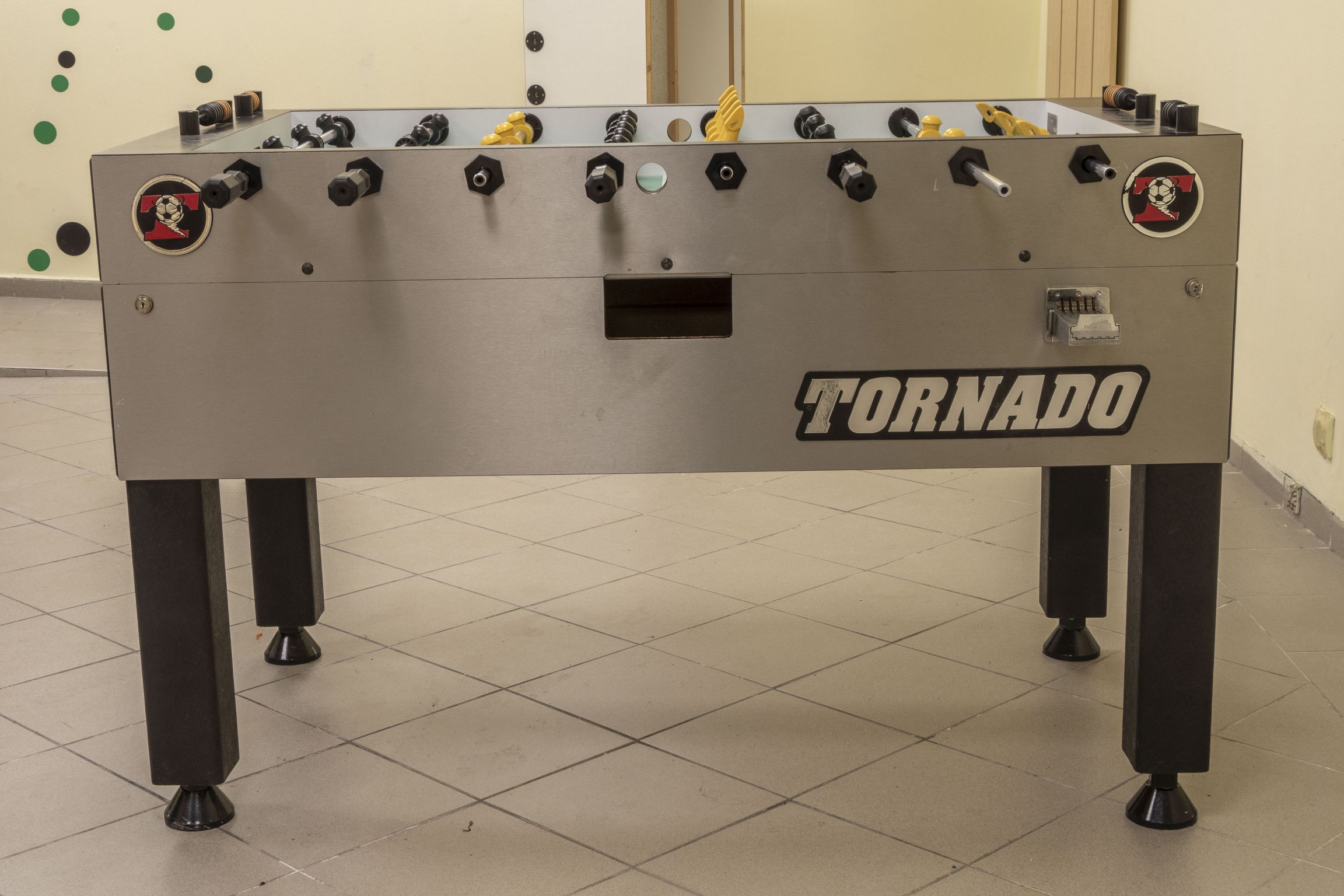
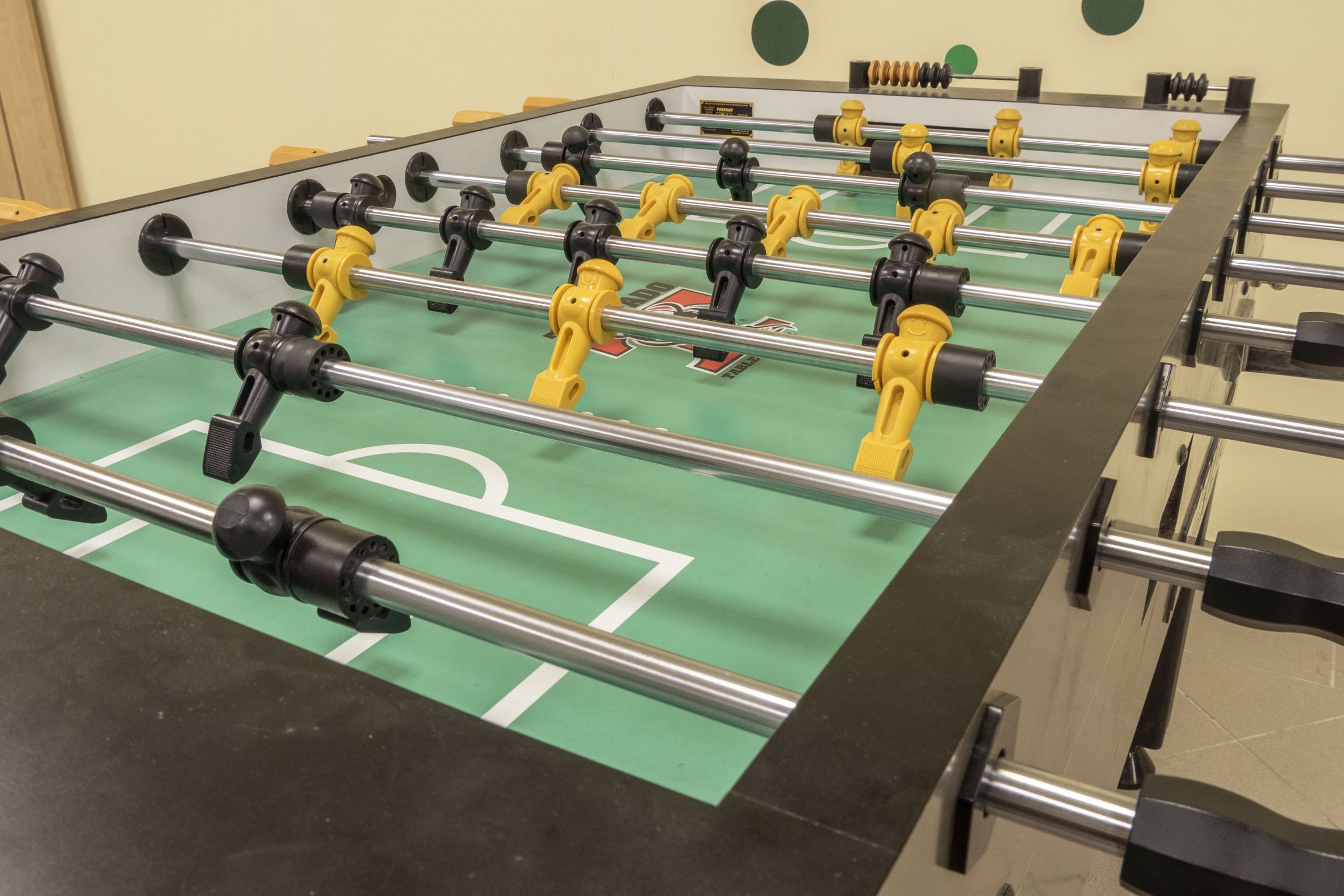
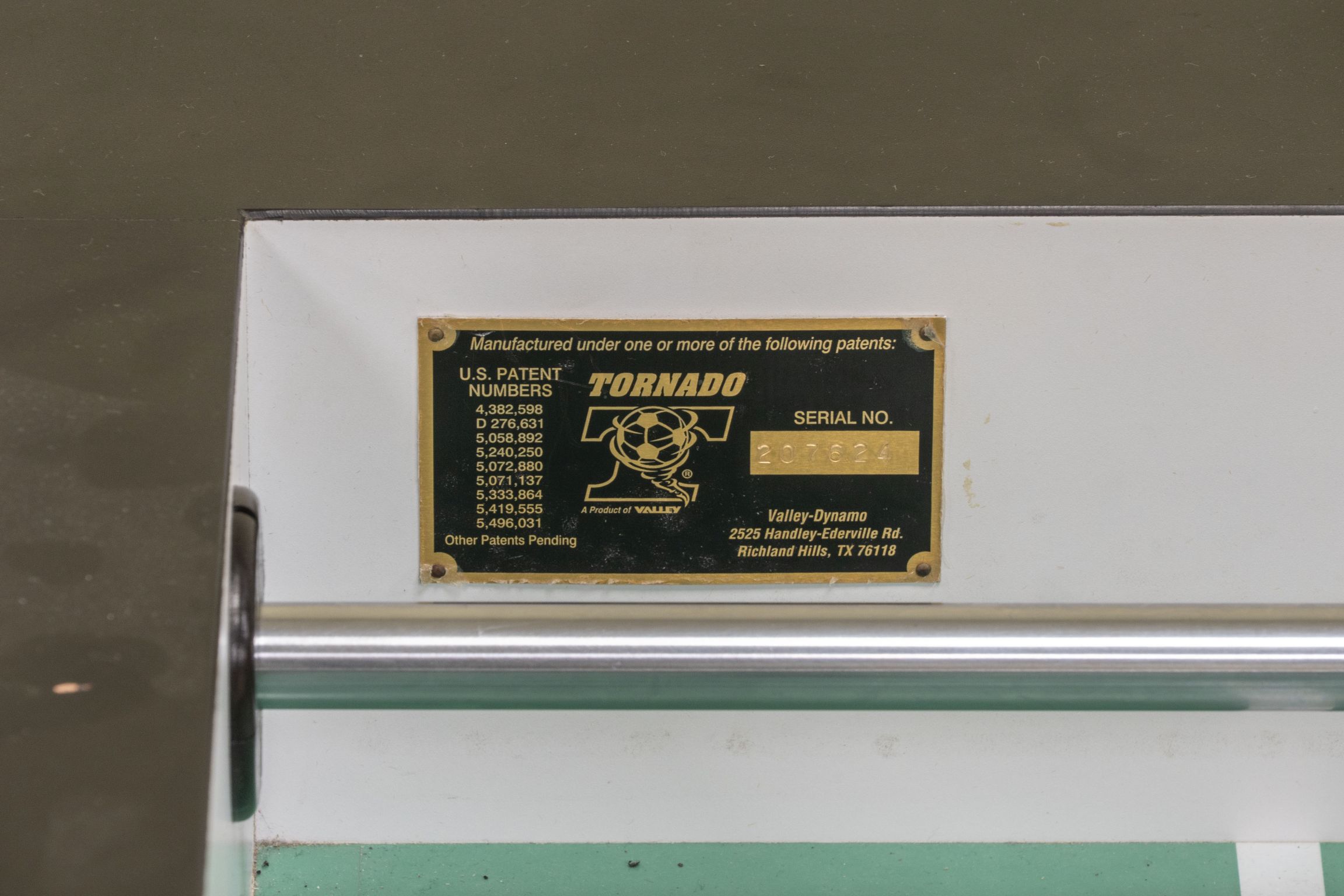
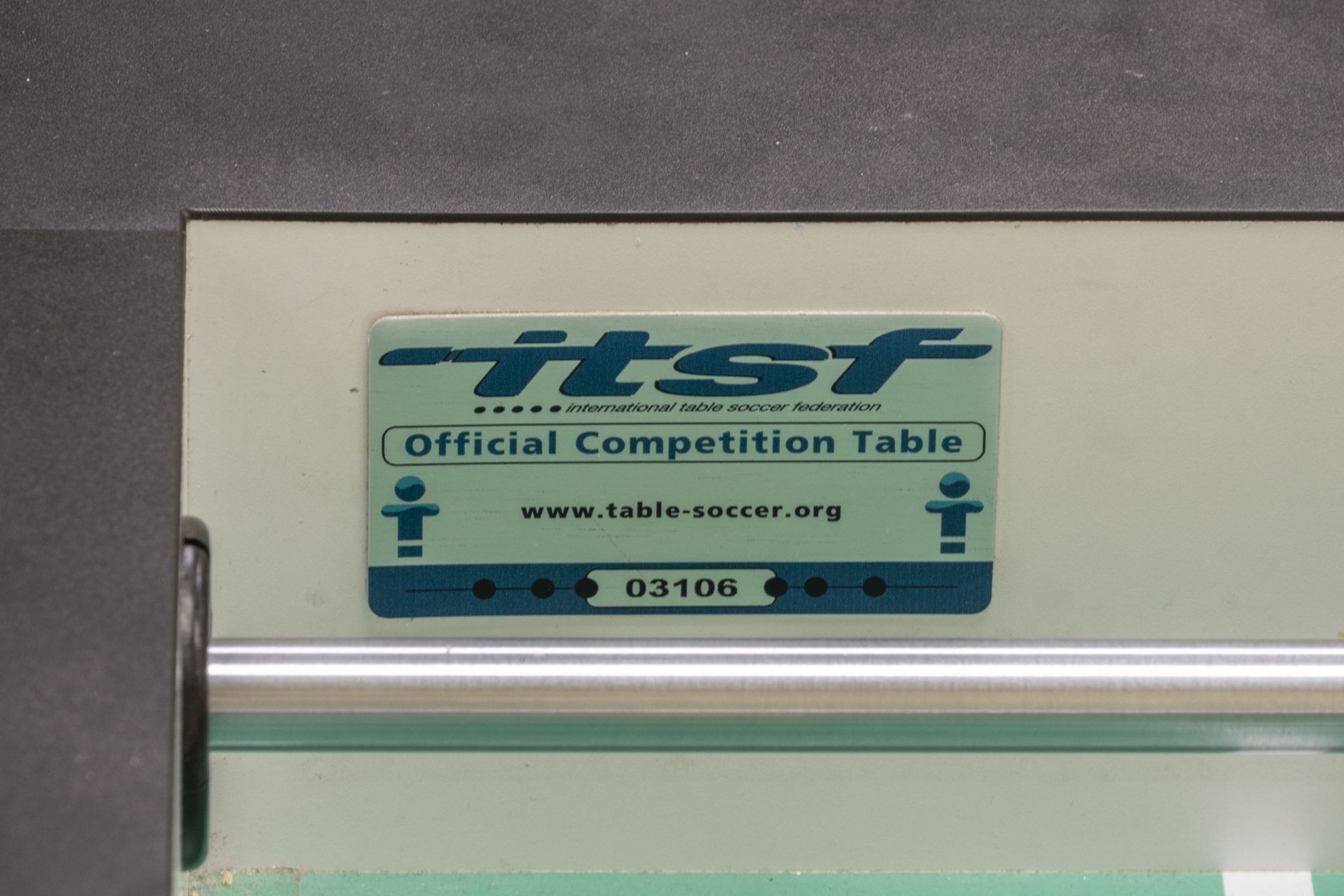
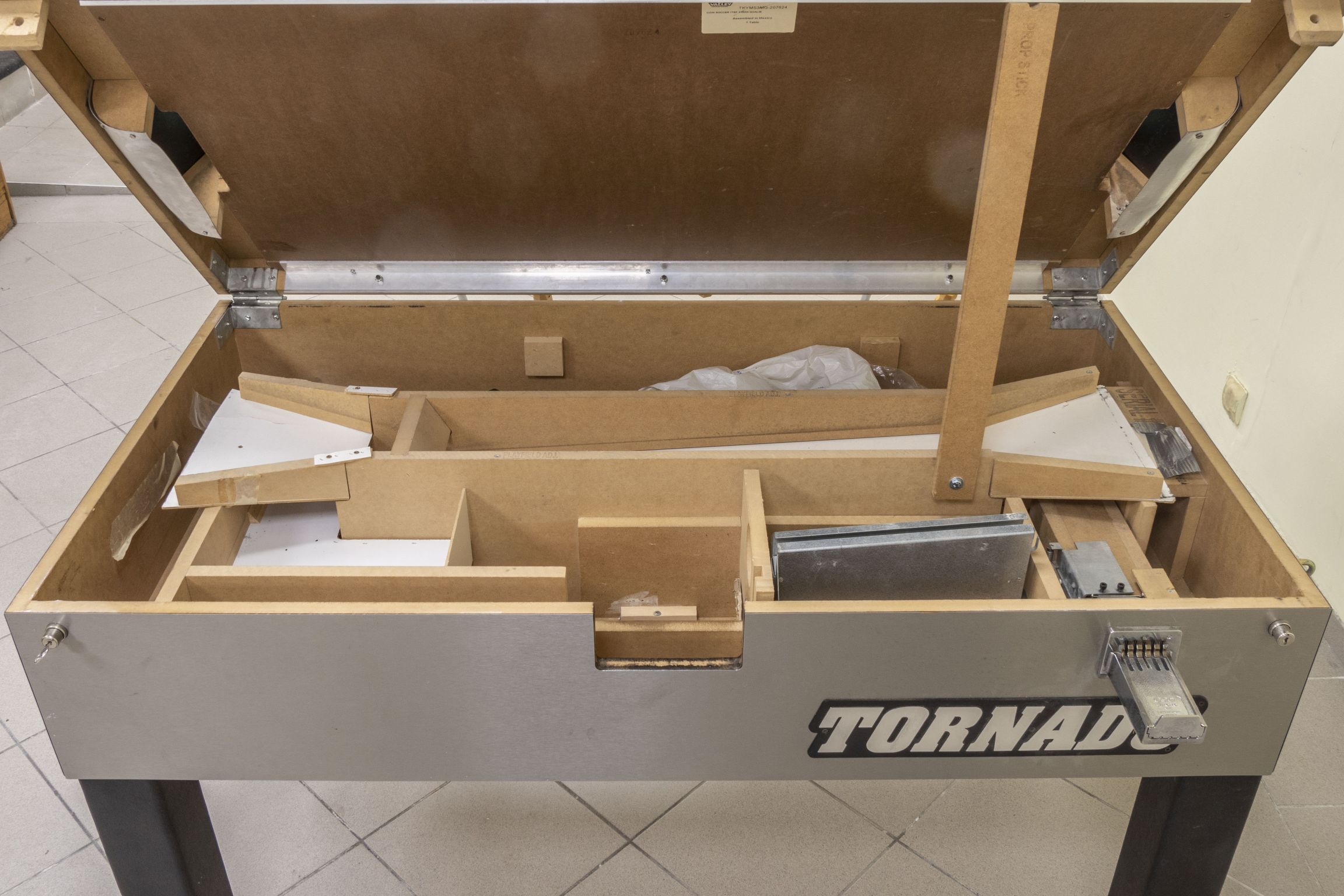
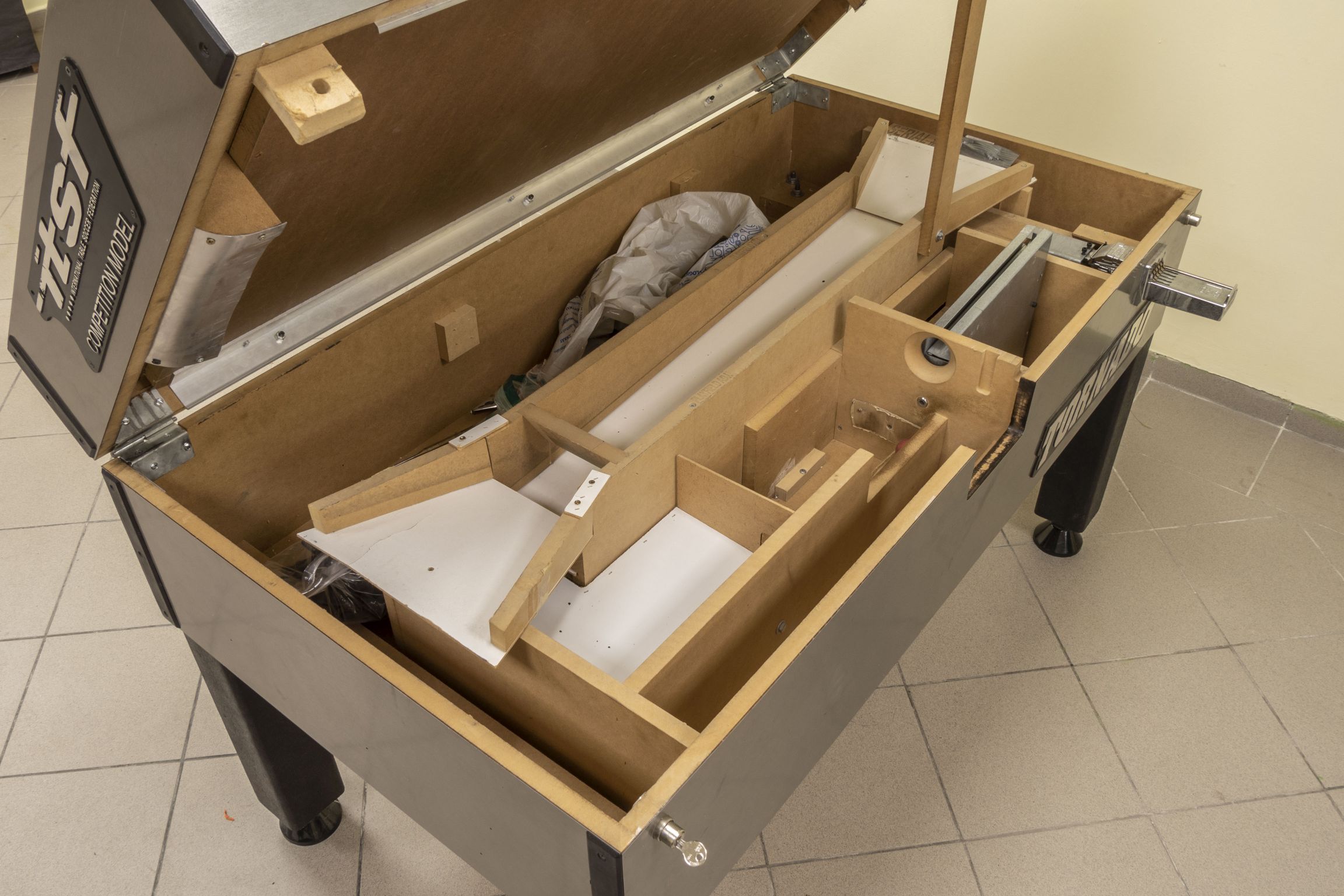
The Tornado foosball table, despite being an American model, is quite well known in Europe, and even in this country there are quite a few examples of older models in private hands. The piquant thing about American foosball is that it actually has European roots, but in many ways the sport has outgrown its overseas roots on the old continent. At first, Americans played not on Tornado tables, but on Tournament Socceren played, but the big foosball boom of the 70's cemented Tornado as a brand, and since then it's almost the table is the only one in the USA, but you can also find it in countries such as Canada and the UK. Let's start with a little history!
The history of the Tornado foosball table - Back to the homeland
As already reported in "The origin and evolution of foosball", the origin of the foosball table is inextricably linked to America, where a table was patented as early as 1927, Slosson table under the name. At that time, the sport had not yet become popular, and it took almost two decades for it to become popular when American soldiers invaded Germany in World War II. A major role in the development of American foosball was played by Lawrence Patterson, who was stationed in Germany during the Berlin crisis of 1960 and where he learned about sport. Patterson eventually German Champion started importing German tables to the USA, but Leonhart was also present on the market from 1965. By the way, this has reached such a scale that even today, DMs 50-60 years old are still for sale on foreign forums, so the number of tables must be in the thousands, but more likely in the tens of thousands, and the older models are typically sold at garage sales.
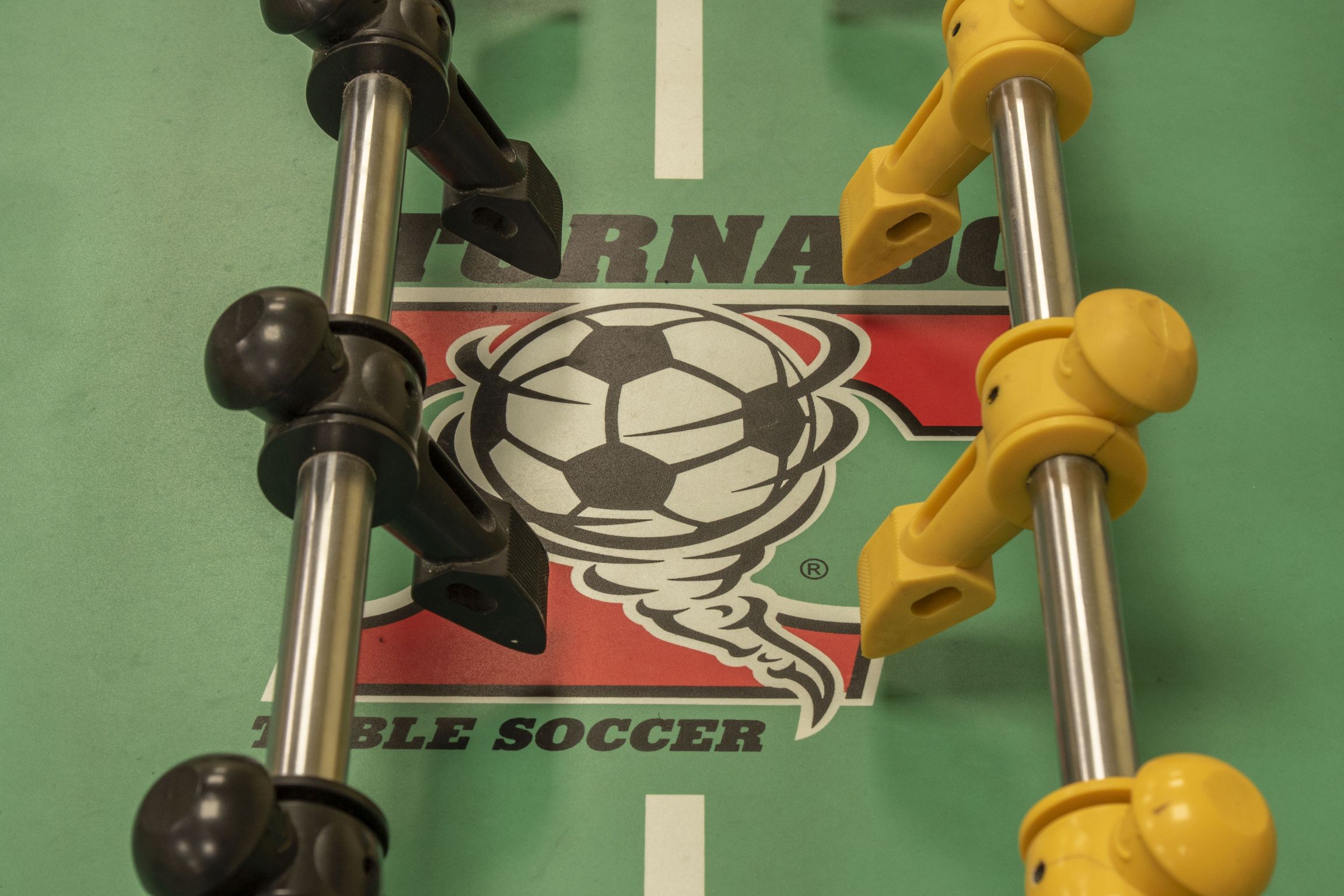
Foosball as a sport Established in 1962 and the spread in the 70s really in the USA. The biggest foosball event was known only as "The Million Dollar Game", which was then called the "German-inspired Tournament Soccer tables and, in fact, the rise of the Tornado name. The brand was founded in 1970 in Dallas, Teaxas. Initially, it was It was called Dallas Tornado soccer, and in fact operated as a table football franchise of sorts between 1967 and 1981. The Tornado brand was originally To Bob Hayes and Bob Furr who wanted to use the logo of their local professional football team, the Dallas Tornado, on the table. They finally got permission from owner Lamar Hunt to do this, so they added a letter D to the original logo next to the Tornado. Since Lamar Hunt owned other teams, years later he asked the two Bobs to change the Tornado logo, and that's when the now iconic letter T was added to the design, you can see the changes in the picture below.

Tornado foosball table logo versions Source: foosball soccer
In 1977, Hayes sold his interest in the Tornado manufacturing company to Ed McCloud, who renamed it Tornado for Table Soccer, from then on the table was given the some elements of professional tournament tables still in use today, such as the split slider, the three-figure goal line - yes, this table can have not 11 but 13 pieces -, and I could go on . This was the year of the TP2000 model - Time Play 2000, still produced under the name Classic -, of which I saw quite a lot in Hungary in the 2000s, and its successor the competition table still in use today is the T3000, where T stands for "Tournament". After that, it was a relatively busy few years for Tornado, with three generations of tables released, several changes of ownership, and finally the Valley Recreational Products in 1996.
In 1998, Valley Recreation and Dynamo Corporation merged, which is how they got the Tornado brand. Dynamo is also a foosball table company, and has been making the well-renowned Dynamo tables in the US since the 1970s. And then, as it happens, the small fish was eaten by the big fish and the Brunswick Billiards to is the brand best known for its billiard tables and accessories. During this period, certain types of Tornado tables were also produced under the Brunswick name. Finally, in 2009, Brunswick was acquired by Valley-Dynamo on Champion Shuffleboard, and moved all production to Richard Hills, Texas, where Tornado tables are still made today. In 2012, an umbrella company was set up to manufacture billiards, air hockey, foosball and shuffleboard - I don't think there's a name for this sport in English - called Valley-Dynamo Limited Partnership, which is the world's largest manufacturer of this type of equipment.
I also recommend everyone to check out the 2020 Foosballers, a film about foosball and the Tornado players. It's so good, it makes my hands crawl, just thinking about it makes me want to play.
The Tornado product range
As you may have read in the paragraph above, the Valley Dynamo is the world's largest manufacturer of recreational and leisure equipment, which is why the Tornado range of tables is so wide. The full range is available from on their official website but it's not uncommon for older models to pop up in Facebook groups, and there have been a few in the last 50+ years. For us there are actually 3 models of interest, the Tornado Classic - this is a reproduction of the old TP 2000 racing table - and the Tornado Platinum Tour Edition, which is the coin test version of the T3000, and the T3000-es.
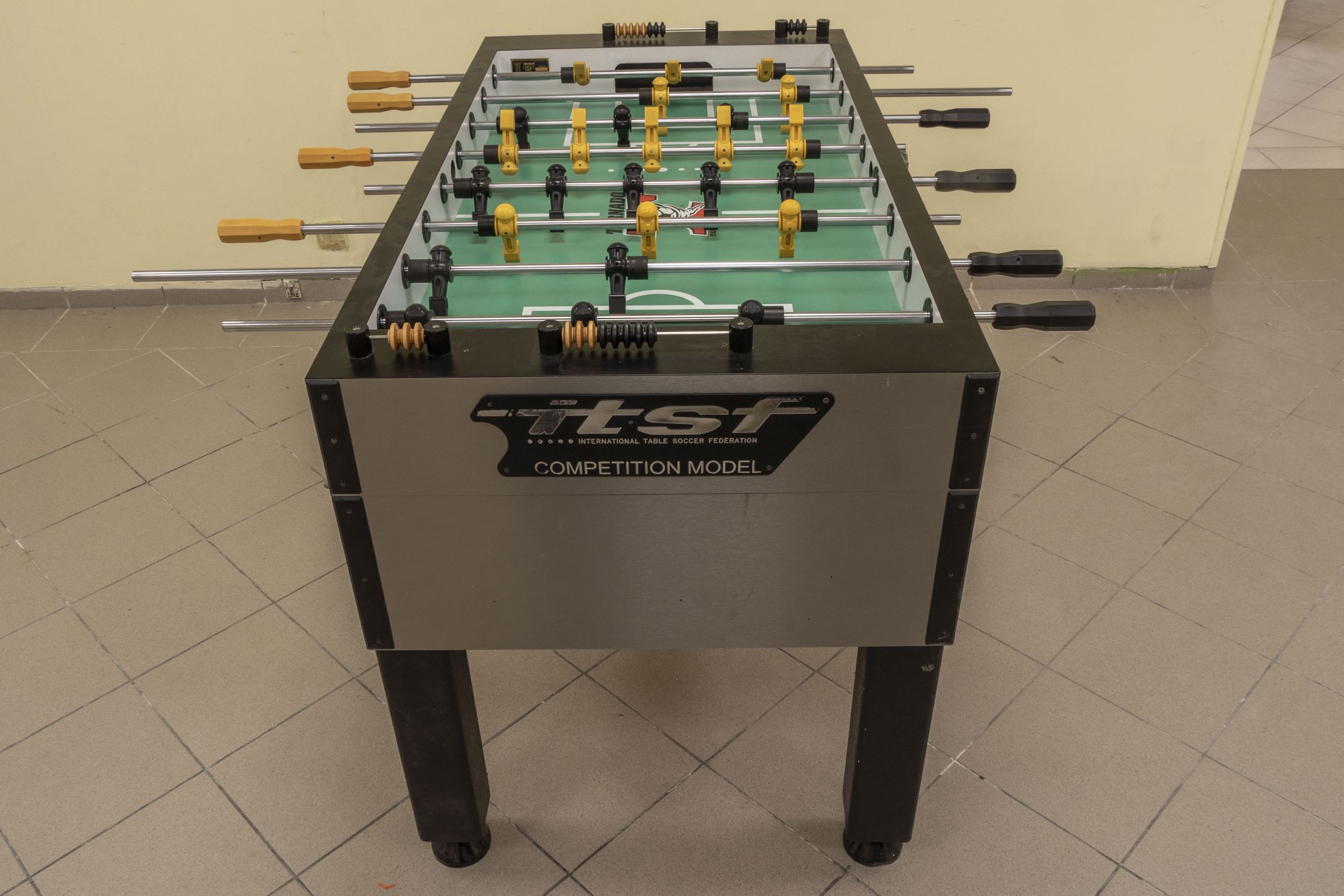
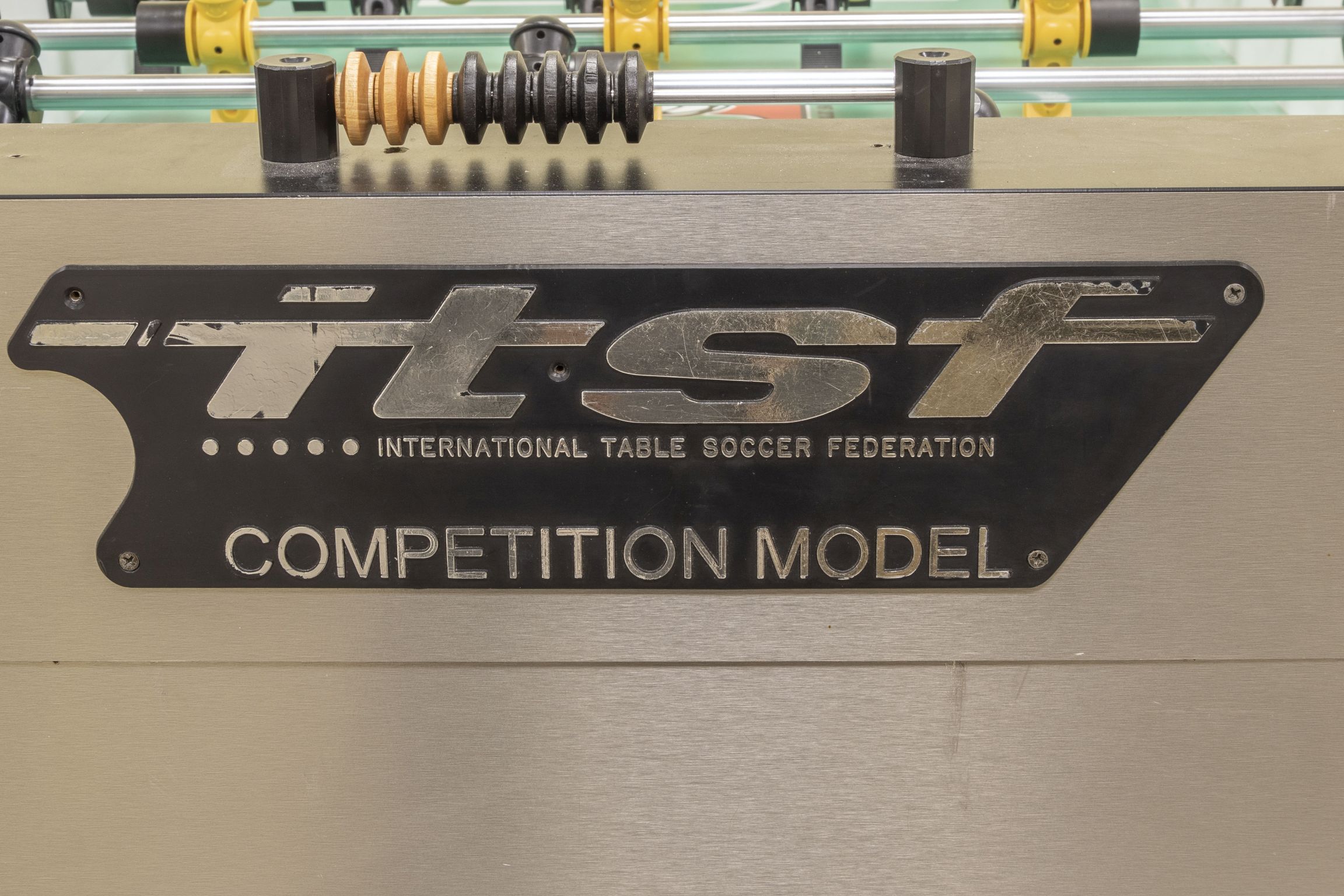
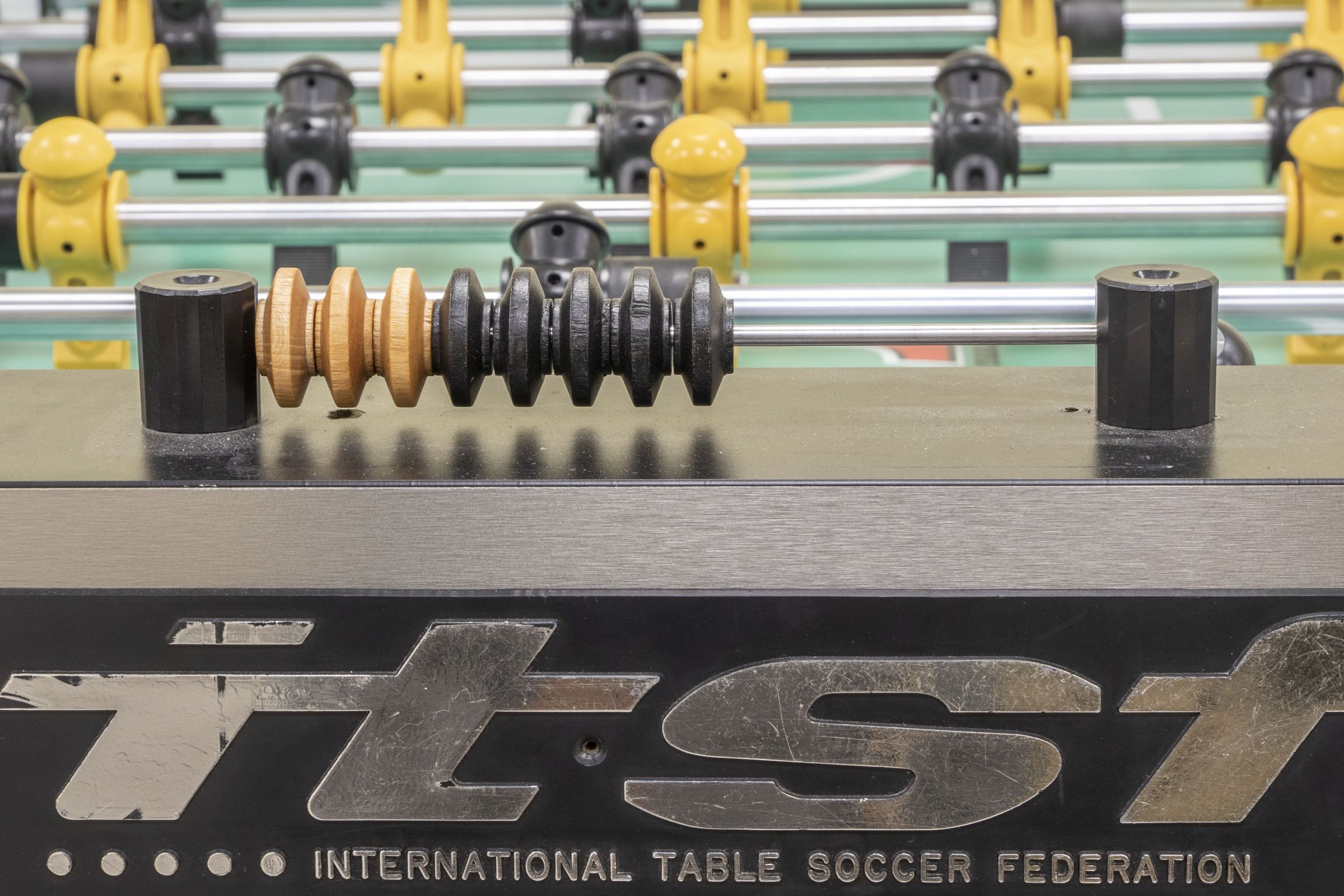
The Classic is interesting because there are still 1 or 1 for sale in Hungary, although these are mostly 20+ year old, worn out tables. I know of only one Tornado T3000 that is available in this country, this is the MultiTable in the club in Budapest. This is the current Tornado tournament table, on which the official US tournaments are held, and the international federation, the ITSF official table is. A Tornado one of the 5 table types - the other four: Leonhart, Garlando, Bonzini, Roberto Sport, while e.g. Rose garden and P4P-n no -, which can host all levels of competition, including the ITSF World Championships.
I am glad to hear that unfortunately the Tornado T3000 is the one of the most expensive tables on the market, which is only partly justified by its robustness. Amazon 2995 USD, which is more than 1 million HUF, and this does not include the cost of transport and VAT. If you're ordering from the US, I wouldn't be surprised if it doesn't stop under 1.5 million.
The Tornado T3000 foosball table
The Tornado T3000 is a incredibly robust structure, at least on paper. Few tables could withstand the torture they receive in American tournaments. There's no subtlety here, and anyone who has seen Tony Spredeman play it live, who has incredible speed and pace, will understand how hard these tables are to destroy. It's no coincidence that Outside America and Canada Far East - I know that in Thailand, for example, the table is also relatively popular.
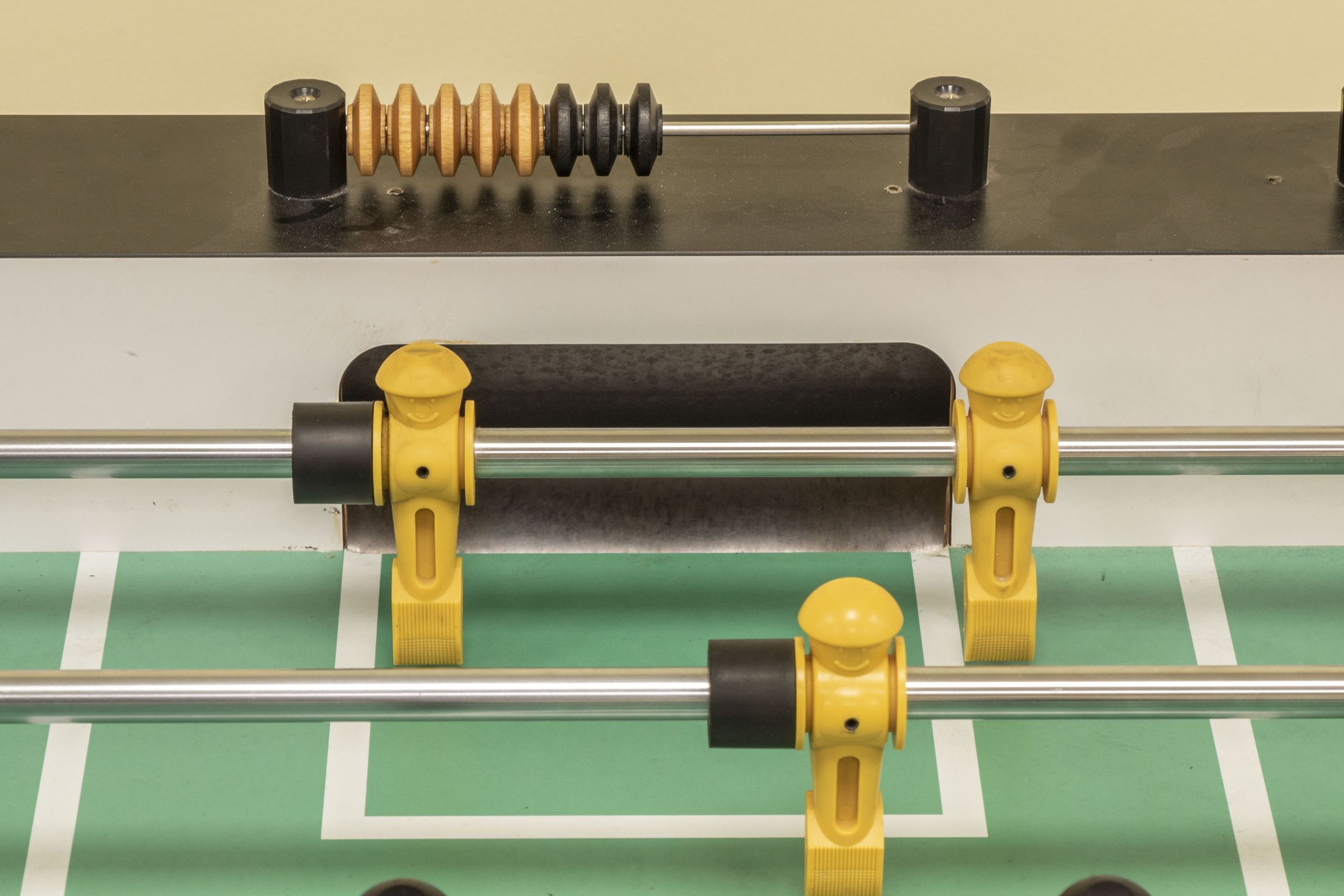
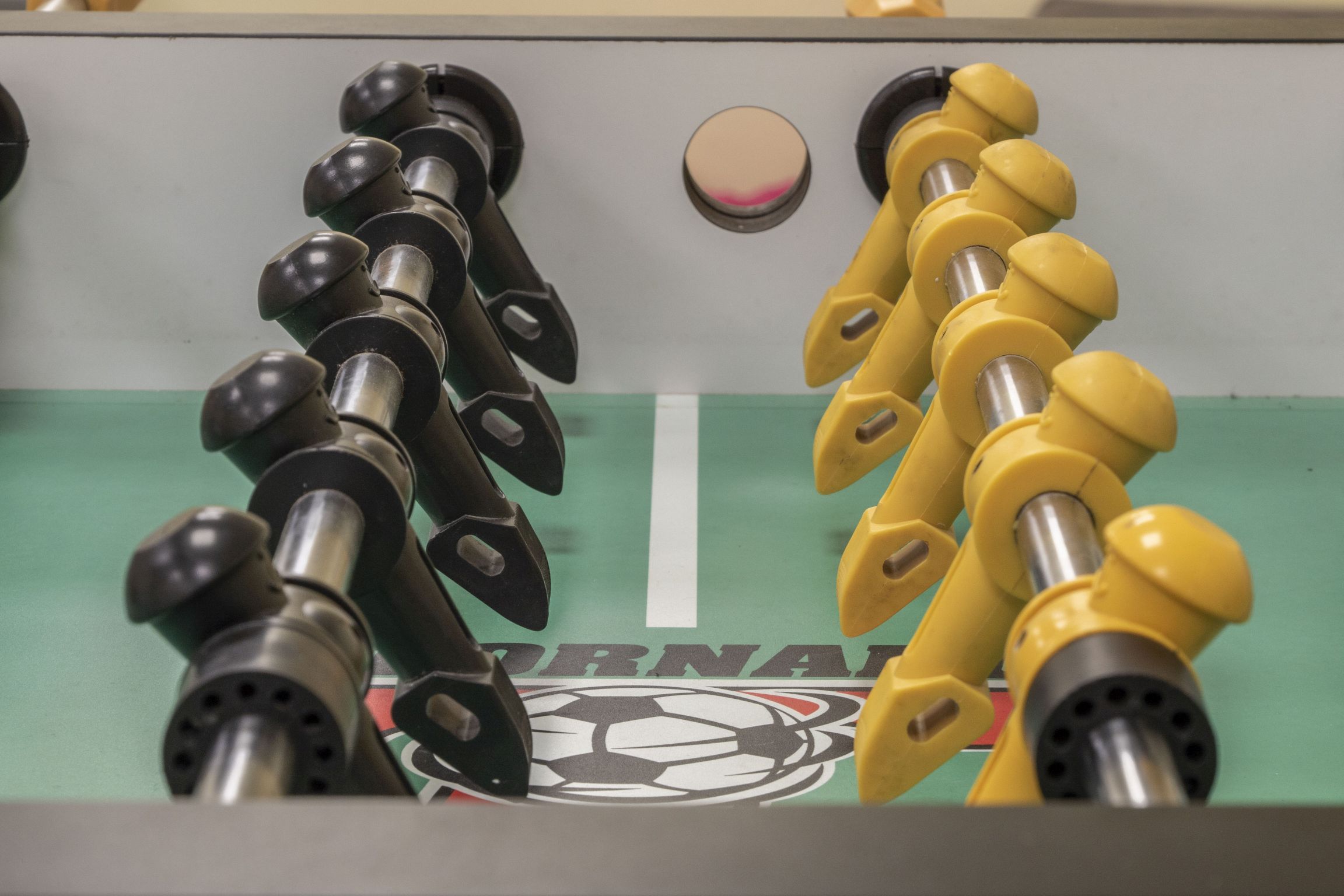
In many previous articles - e.g. Rosengart from table solo - I have already referred to the Tornado's stylistic features, which is no coincidence. Many people have drawn inspiration from its design, which has a few specialities. The older tables had 13 dummies per side, for a simple reason: the goalkeeper line had not only a 1-1 piece in the middle, but also on the side. The line was set up in this way so that the balls that stopped in the corners could be reached, as the pitch was not tilted. This has been modified for the Tornado T3000 in that it is now possible to put up a team of 13 pegs though, but there is a corner profile that, when placed in the table, tilts the playing surface, so it can be used as a table for 11 pins, as the balls are now rolling from the corners into the middle of the pitch. This there are standardisation reasons for the change, each ITSF table has 11 pins, I guess to make it look as much like a high court football as possible.
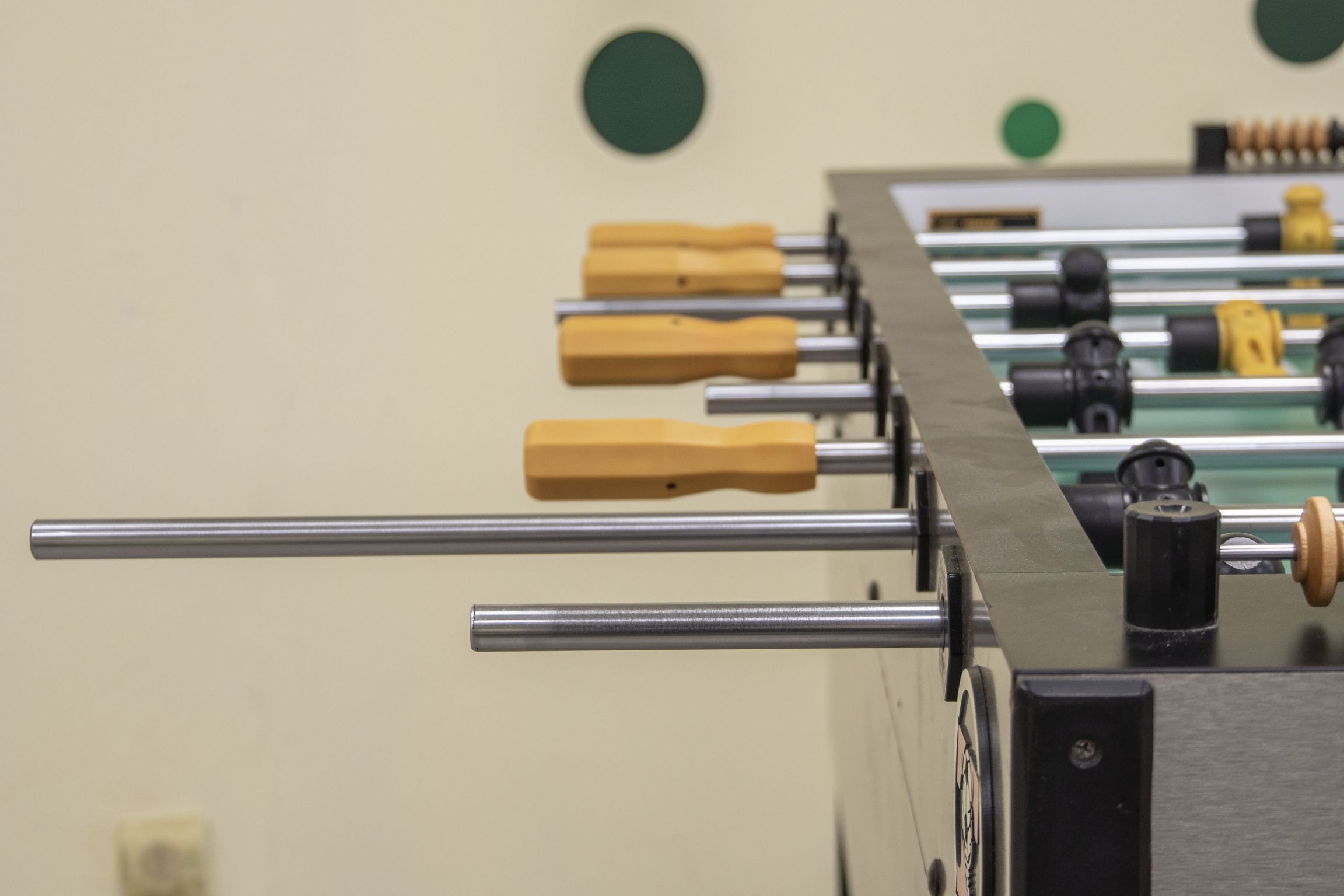
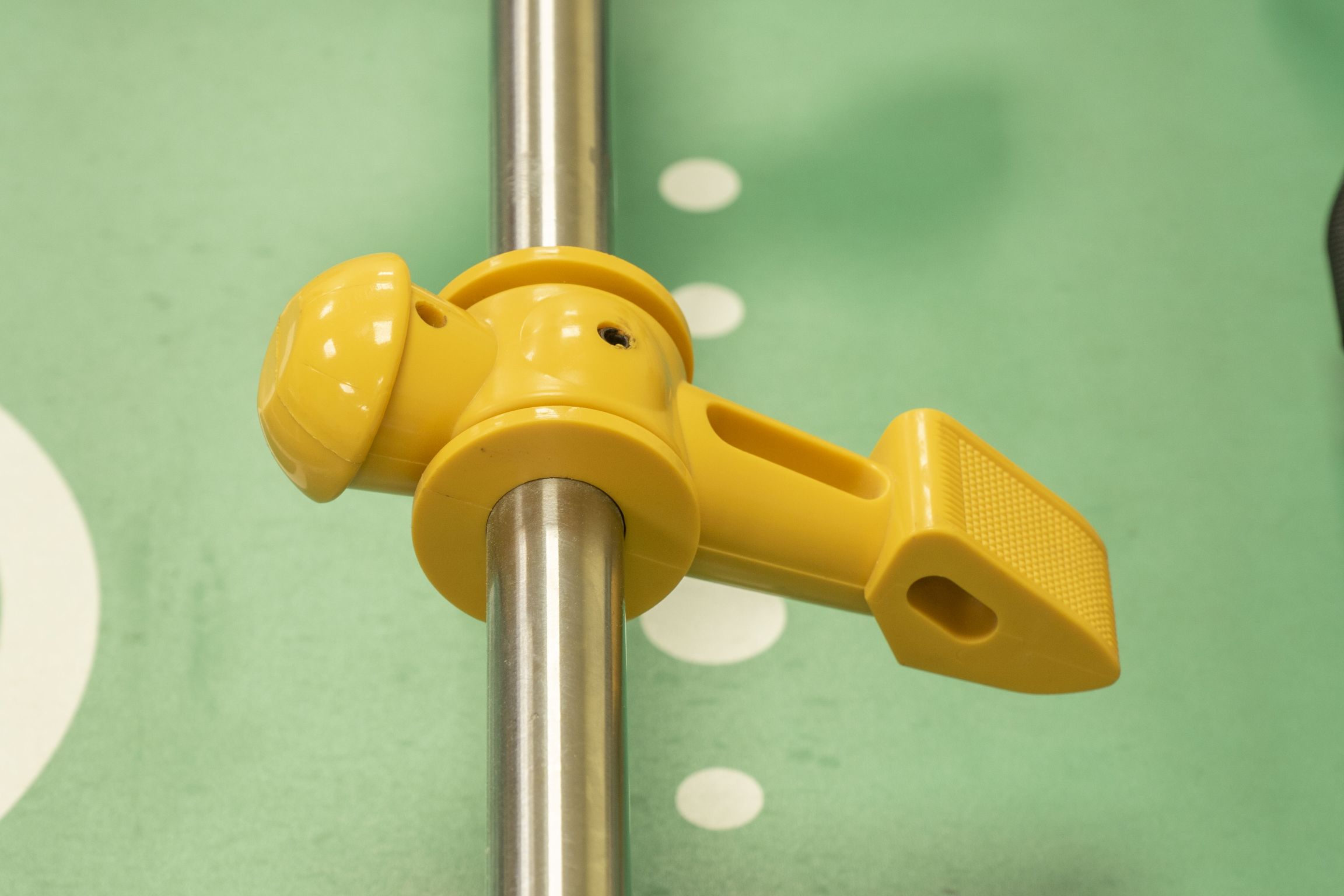
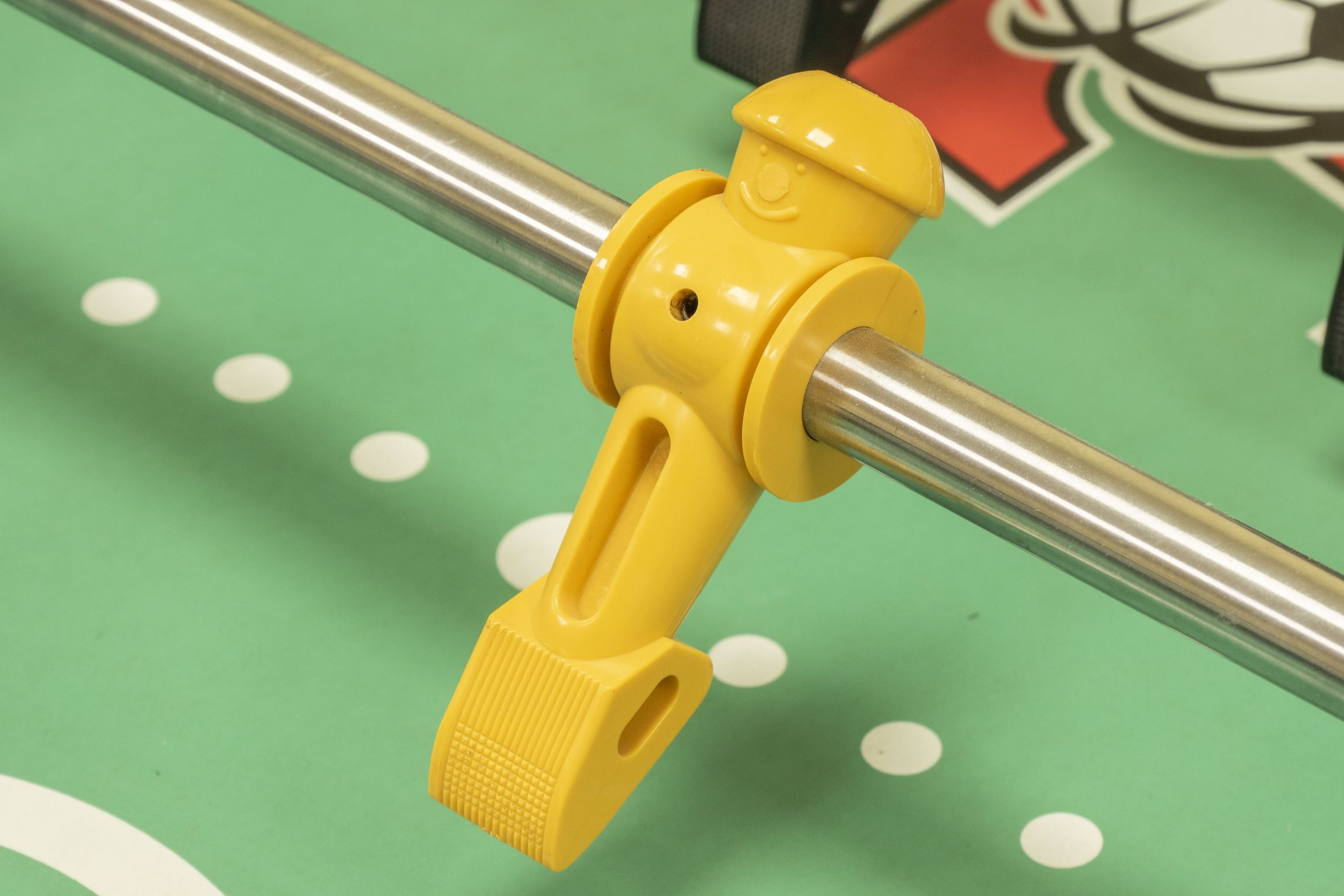
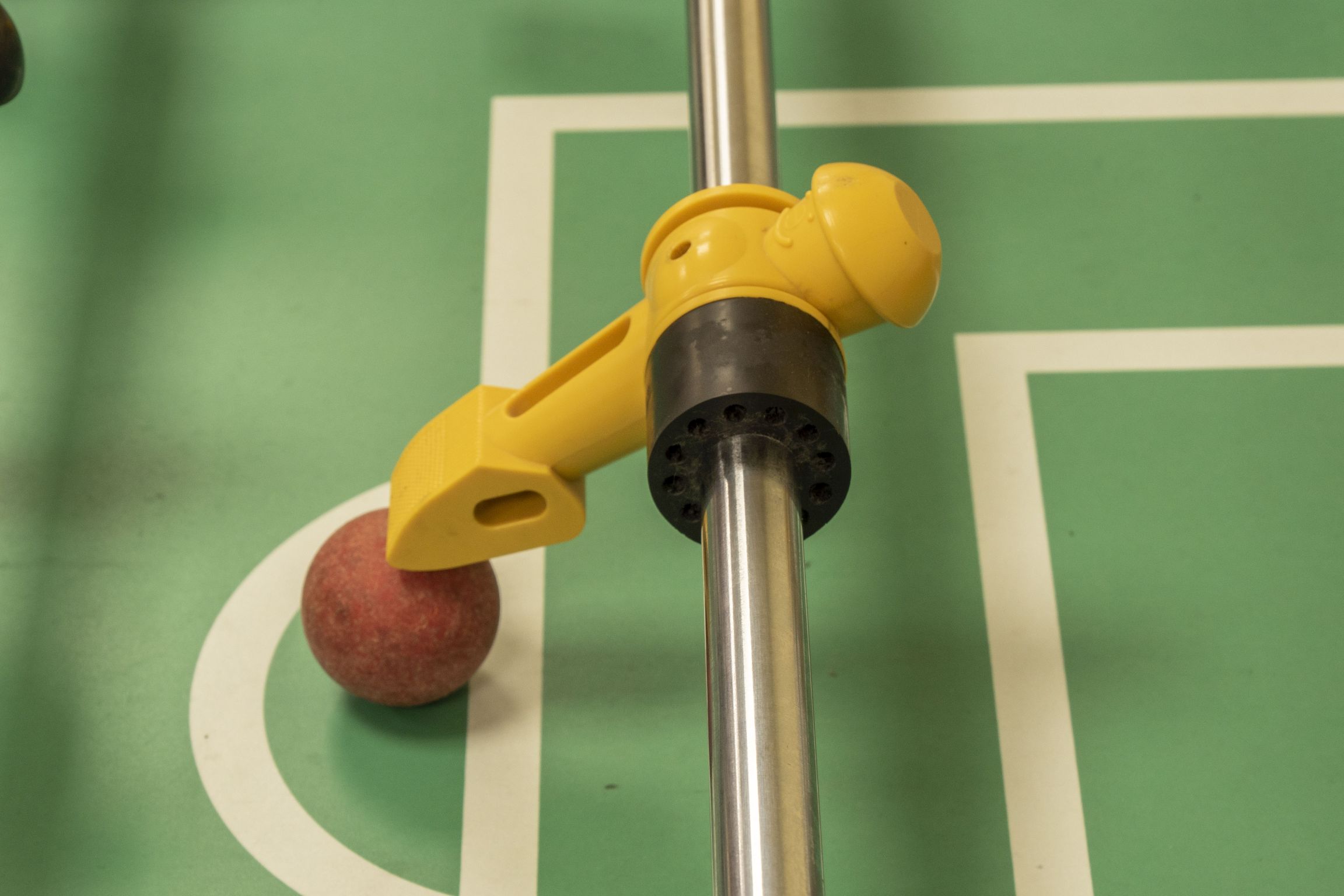
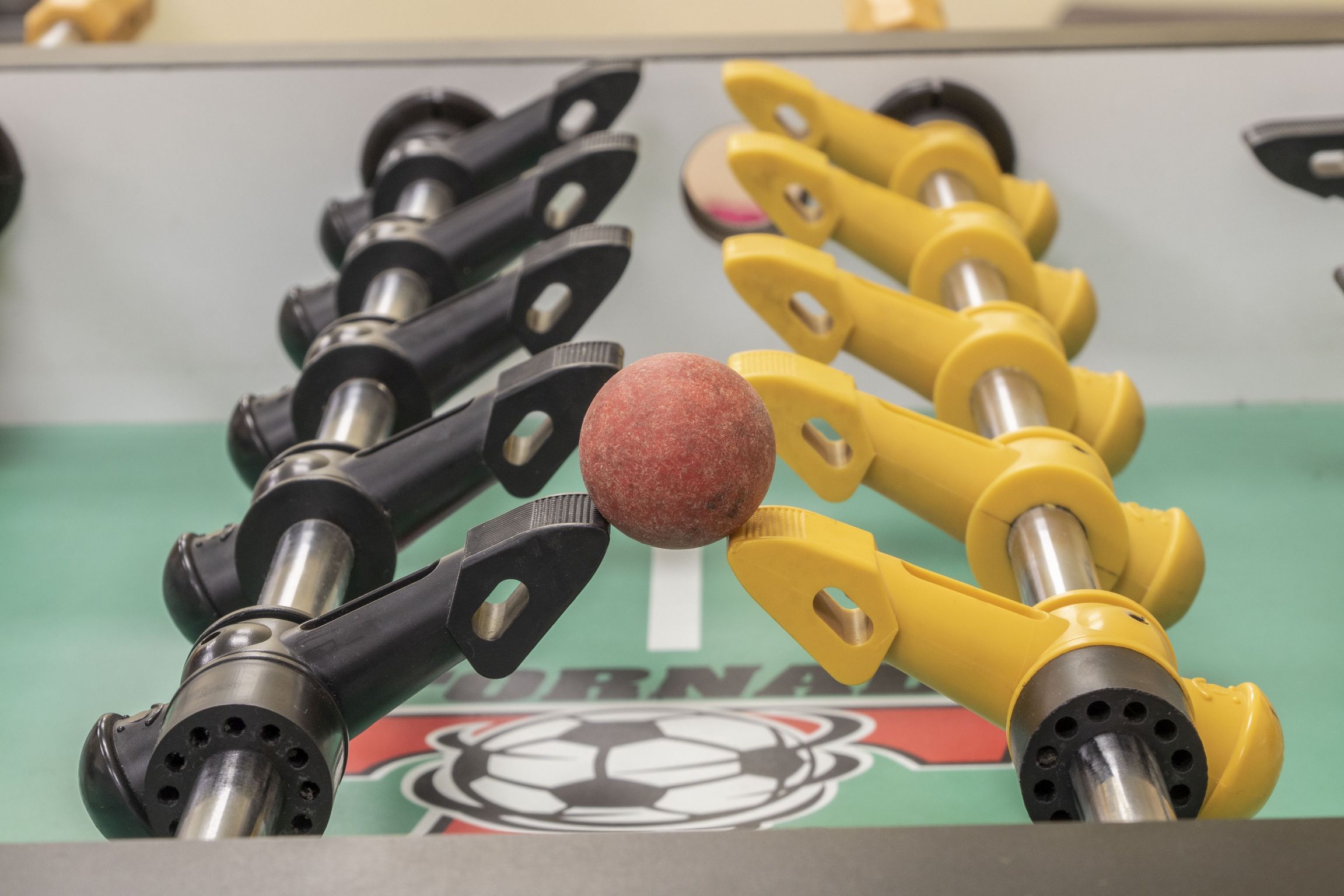
Another special element of the Tornado tables is the puppet design itself. The foot of the figures is a triangular-sided leg, the lower face of which can be placed entirely on the ball, allowing you to apply a tremendous amount of torque to the ball. Despite this, the ball is handled with the edge of the blade rather than the centre, for example when shooting pin shots and snakeshots.
Because the triangular shape also has a huge side surface, it is very easy to tiki-take on it. It allows extremely fast ball movement and dynamic play, which is very spectacular, and the balls are also very easy to handle because of the large dummy surface. Also an iconic gymnast characteristic is the sound of the shot. The goal cover is a semi-circular metal plate that guides the ball into the table and makes a ringing sound when shot. Almost no other table sounds like this, and it's great to hear in the videos.
A Tornado T3000 foosball table advantages
Perhaps most importantly, playing on the Tornado table is a great way to develop technique and ball handling. You can shoot anything on the table, but the most common back shot is the draw, and the snake is the most common shot on the forward line. The world's best pulling players play in Tournados, think for example Terry Rue, Dave Gummesson, Todd Loffredo, Ryan Moore or Billy Pappas. But the beauty of the table is that you can push, pass or shoot a peg, snakes and pinshots on it in the same way, so basically anything you feel like. Because the legs of the puppet have no rounded edges, it's perfectly suitable for brush - side sweep -, lane - straight shot - and corner pass, or pretty much everything.
Another big advantage is the excellent Tornado bullet. Firstly, it is sufficiently spherical and sticks relatively well, but not excessively, does not smear or really stick in backpin, like P4P balls. The toy comes back off the wall pretty quickly, so dropped and bank passes work well with it. Of course, a fast ball also requires faster thinking, and as the ball wears down, the game gets faster and faster. This is also a disadvantage, as the conditions change quite a bit with a worn ball. In other words, we can say that Tornado's own is one of the best balls made for tournament tables. The factory berry is slag brown in colour with a slightly rough surface, and not too expensive if you order from outside. Europe about 4-5 EUR, which is not cheap, about the same price as Garlando's new ball, but much better.
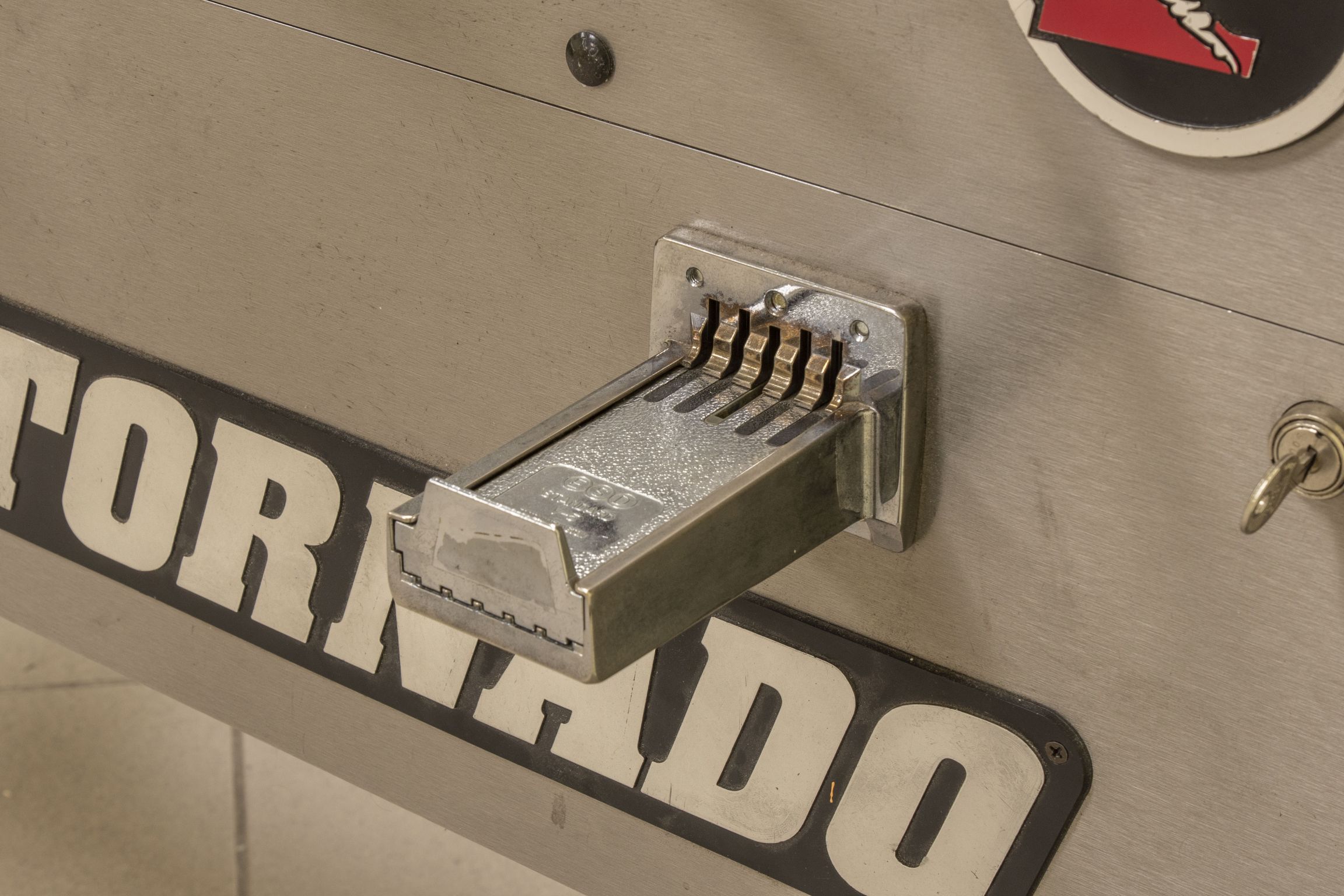
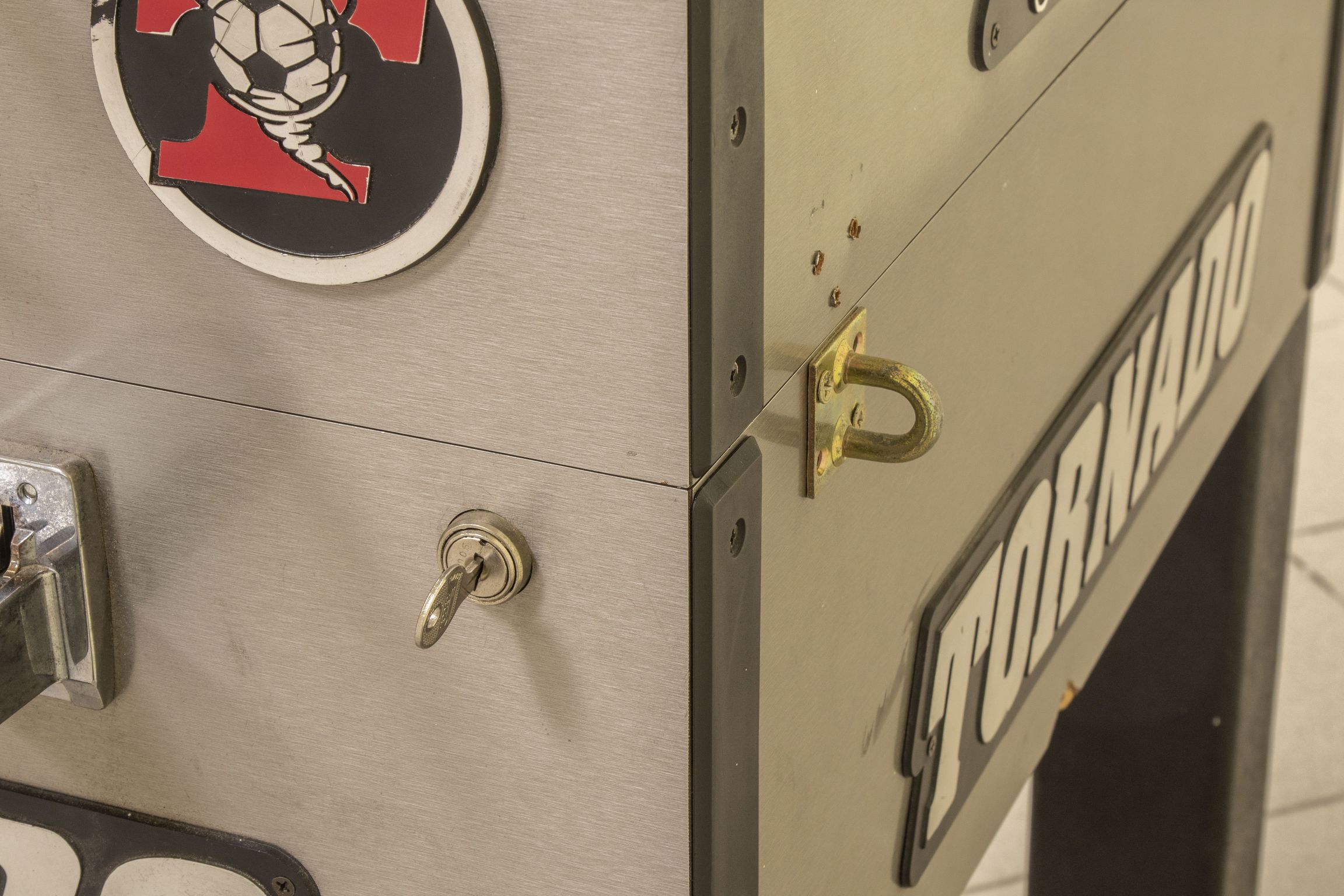
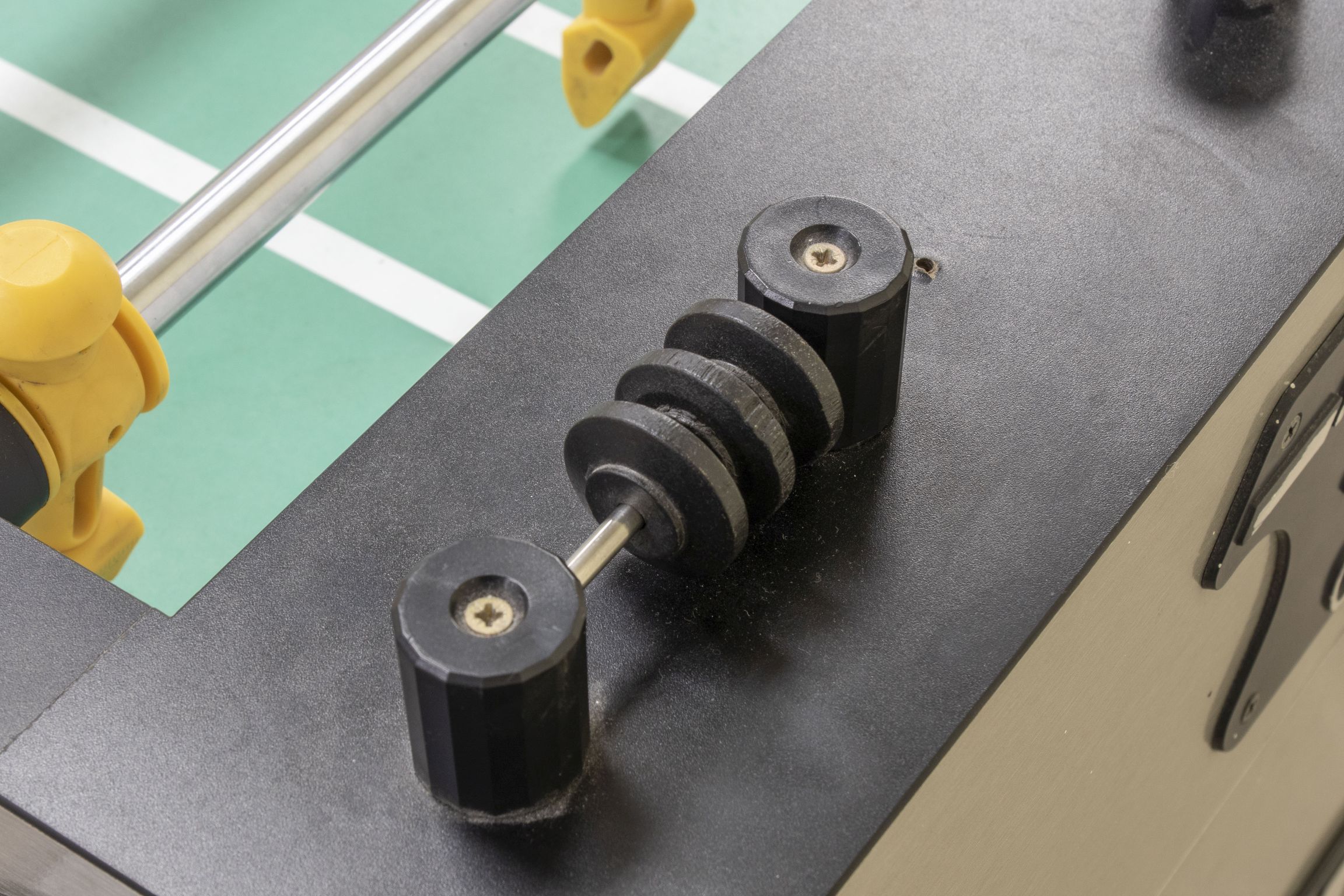
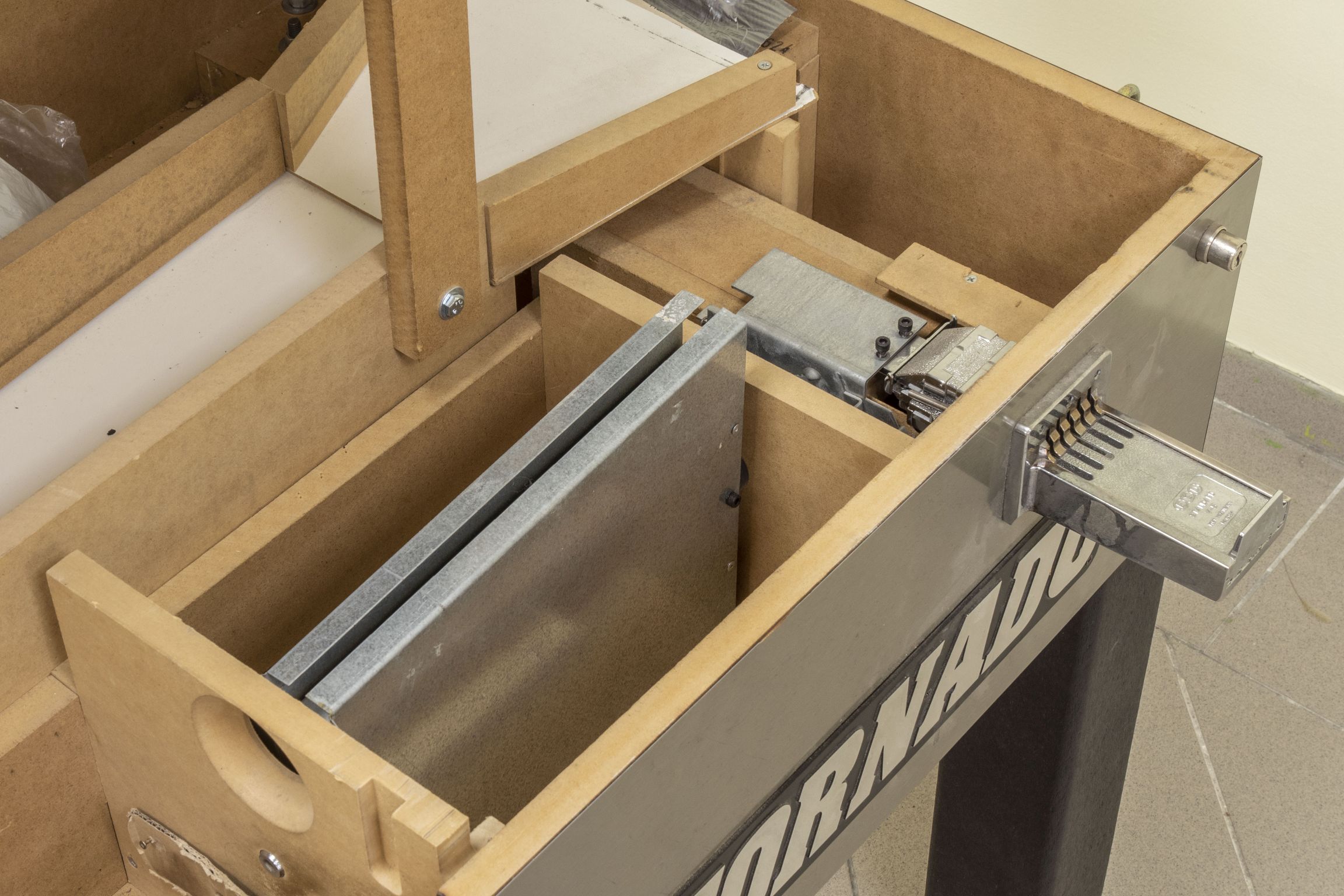
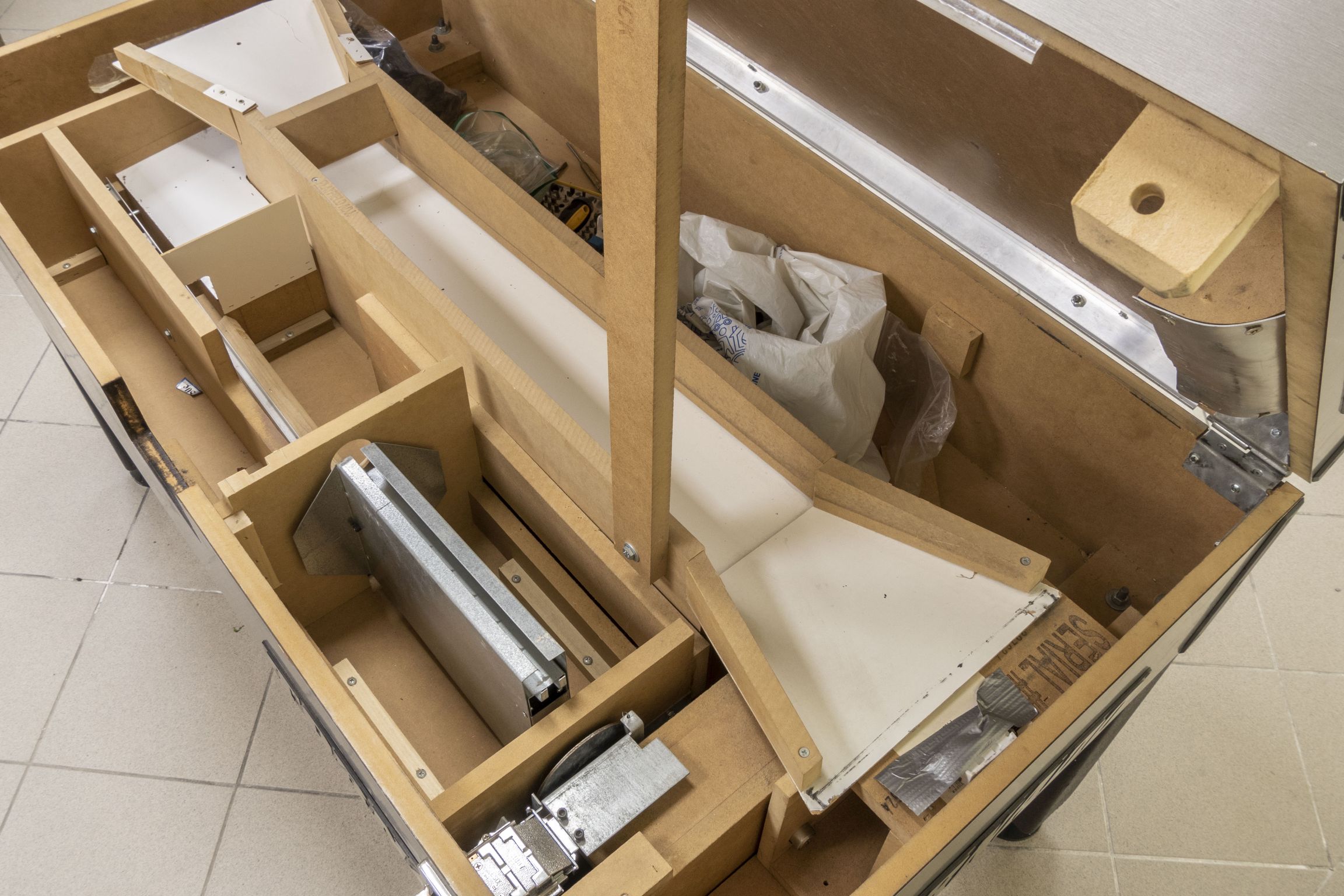
The cabinetry of the table is also excellent. This is an openable, uncovered table, with a much better opening mechanism than the Garlandos. It has two keyed locks on the top, and once opened, can be locked without a key by pushing it open. The track surface is similar to that of Leonhart or P4P, only more beautifully drawn. Hard to wear, smooth, fun to play on. The rods are easy to move, medium heavy. I have no experience of how much they break, but judging by the fast and powerful style in the US, I don't think it happens too often, otherwise you would see countless of them.
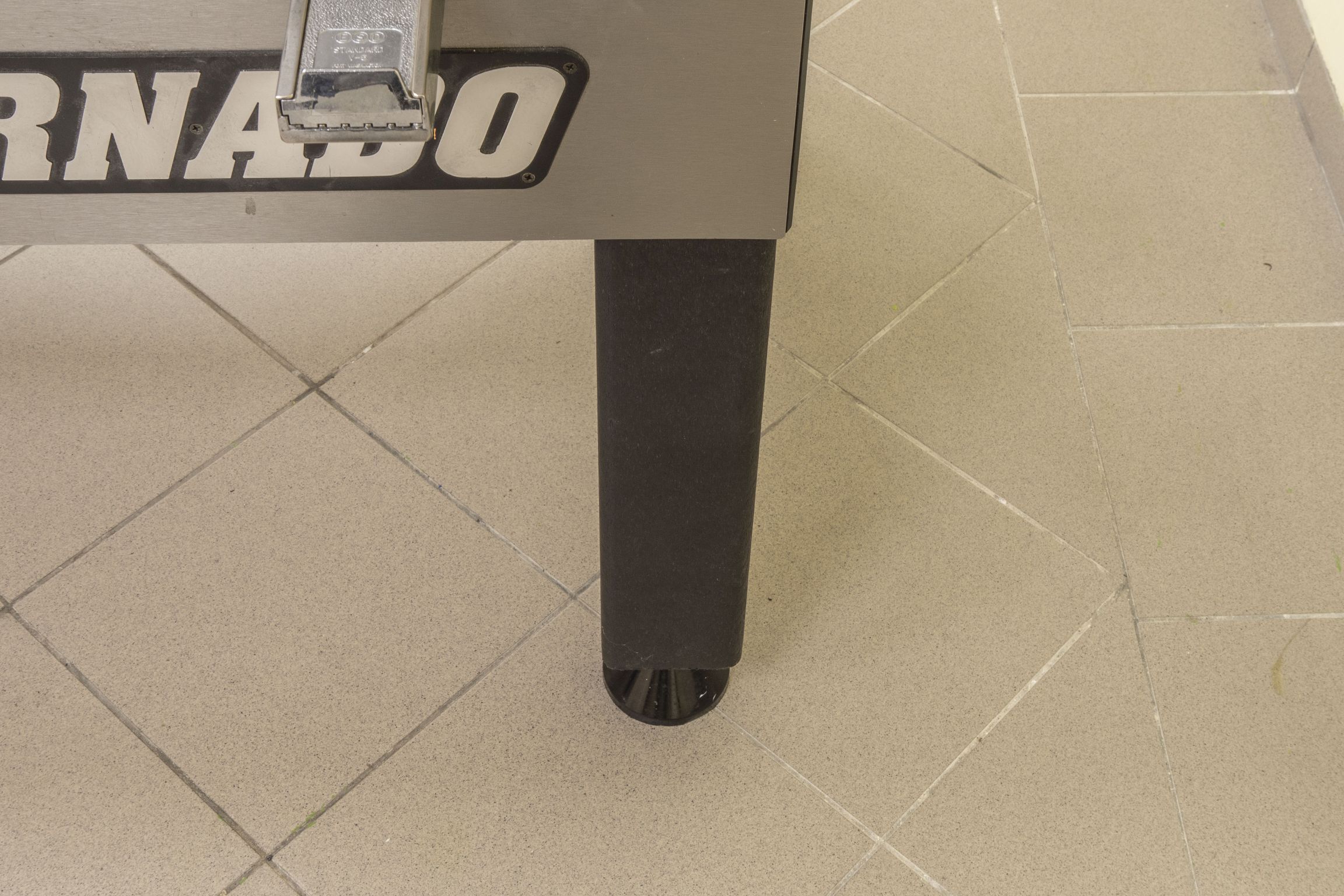
The table weighs a massive 158 kilograms. It also makes it atomically stable, so it's not very hard to pull away if it's on the right surface.
Disadvantages of the Tornado T3000 foosball table
The biggest disadvantage of the Tornado is that there is virtually no competition in Europe. I would like to add that he is in London 1-2 times a year, but since in the UK, traditionally played more on Garlando, which is why there are usually very few entries for the London Tornado competitions. It's also a place that can only be reasonably reached by plane, so there are hurdles to overcome. The other is that, because the Tornado table is made in the USA, so if you buy the parts or the table from outside, you will have to declare them, which means that you have to pay VAT, which puts a strong downward pressure on costs.
You can try to order from Europe, but there's usually nothing in stock, and it's virtually impossible to get anything here. In foosball circles you can buy things from private people, but it's quite difficult to get anything. It wouldn't be so bad if the dummies didn't break, but they do. The reason for this is the leg design and the otherwise very sturdy frame: it is very easy to get them stuck on the ball. I saw fatigue fractures in several places - typically, a hairline crack starts at the junction of the puppet and the rod, and sooner or later the puppet breaks - one of the great ailments of the table.
Tony Spredeman and Frederic Collignon in the legendary final of the Tornado World Championship
The other is the goal, or the two sides of the goal, which could be shot to pieces with hard balls on the TP 2000 tables. I've seen models where the wood has actually been dusted so much, and the only way to fix it is to replace the back panel completely. Not a disadvantage, but definitely worth mentioning Tornado tables are heavy as hell. If you include the leg, it's 350 lbs, or 158 pounds, you're not going to be pushing it sideways much while shooting. Once in my life, two of us had to carry a table up a floor and almost got a hernia from it, so move your Tornadoes judiciously.
What I don't really like about the table is the interior design. The ball can only be taken out from the front, from the opening side, and you have to reach deep into the table, almost scooping it out. As for the legendary "Tornado quality", it's good to know that the table is assembled from MDF - medium-density fibreboard - which is basically pressed fibreboard glued with resin. Anyone who's seen it opened will know that it's much better quality than Garlando, but still for example, a wooden ball ramp is prone to cracking.
Accessories for the Tornado T3000 foosball table
Tournament tables - with the exception of the Rosengart Tournament - do not generally have a light source, although it is worth fitting one. However not officially offered by the manufacturer, so these can only be bought second hand. In principle there is a Valley-Dynamo lamp kit ridiculously expensive. There is also the FoosGearen is also a simpler lamp, and at least it doesn't have to be ordered from Thailand, but it wasn't in stock at the time of writing. Foosball.com also sells a lamp kit LED FoosLite V2 but you have to import this from the USA.
The enthusiastic Tornadoes make all sorts of things for the table, such as cup holders, which are mainly On Instagram you can have a look at.
Summary
The Tornado T3000 is an excellent choice for those, who basically want to improve their technique. As there is not much competition in Europe, it is I definitely do not recommend it as a first table, and I suspect not many people will choose it as a second table, because of the hellish cost of entry. Practically unavailable in Hungary, sometimes you can find 1-2 Tornado TP 2000 on the market, which are usually very cheap, because the dog doesn't need them anymore, but they are also perfect for practice, and then you don't have to pay the hefty premium for the T3000. But if you don't want to buy one for your home, but would like to play on it, you can buy one in Budapest at MultiTable in the club is a T3000 model.
If you want to rent a foosball table, feel free to contact us at 06-30-239-9896-phone number, please contact us From, or a message On our Facebook page.